

What Our Aftercare Support Covers
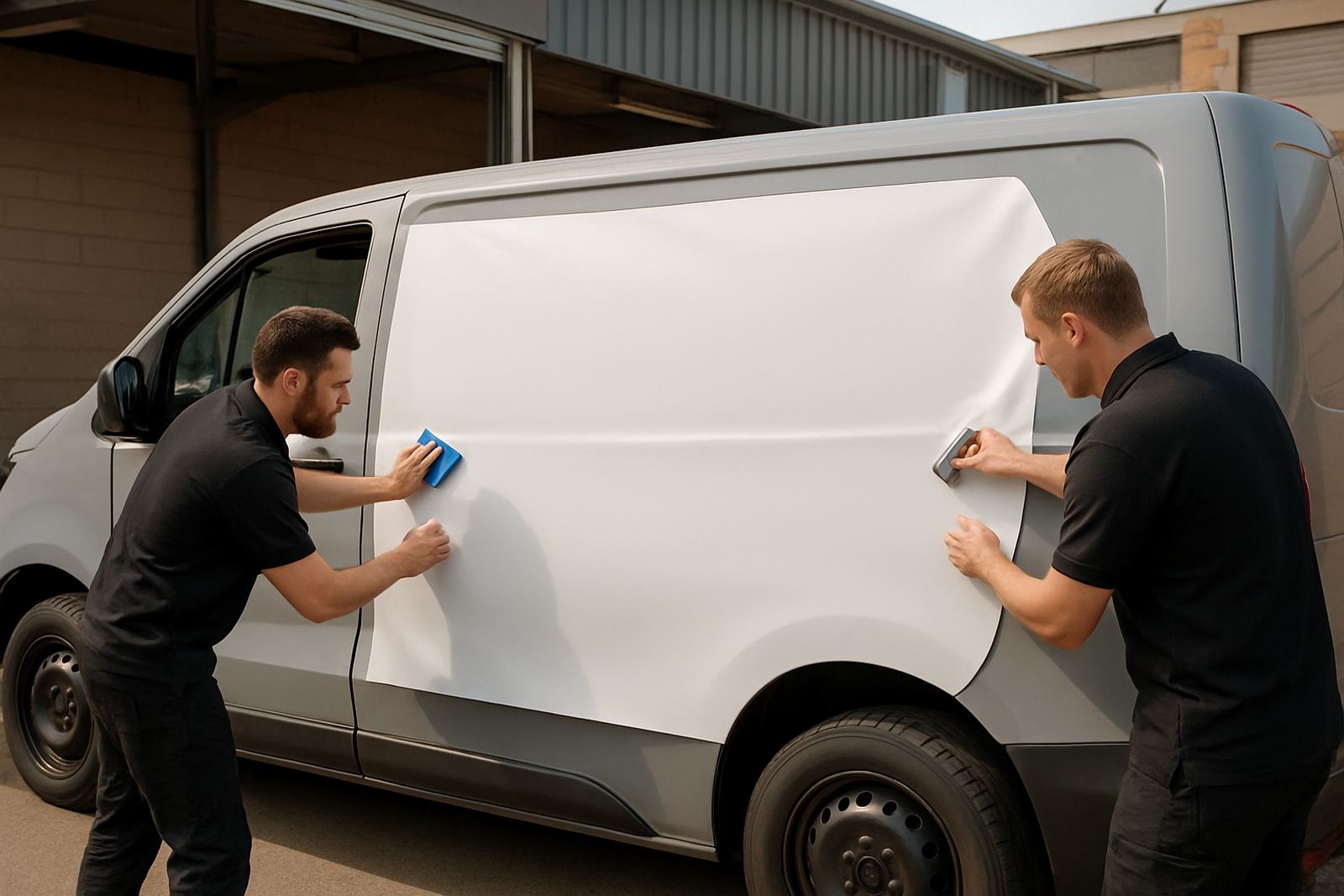
Aftercare Support is the handover that follows your installation, with clear instructions for washing, curing, parking and everyday use. We cover vinyl colour changes, paint-protection film, window tinting, interior wraps and wheel refurbishment, so you know exactly what to do in the first few days and in the months after.
The aim is simple: protect the finish, avoid early lifting or staining, and keep the vehicle easy to maintain. For fleet operators, this also helps keep units looking consistent across depots in Kya Sand, Sandton, Midrand, the East Rand, Pretoria and Durban.
- First-wash timing and safe wash methods
- Curing advice for vinyl, PPF and tint
- Spot checks for edges, seams and corners
- Ongoing cleaning intervals for daily-use vehicles
The First 72 Hours After Installation
The first three days matter most. During this period, the adhesive is settling and trapped moisture is still working its way out, especially on larger panels, curved bumpers and window film. We recommend keeping the vehicle dry where possible, avoiding high-pressure washing and not picking at any small bubbles or hazy spots that may appear.
For window tint, the glass may look slightly cloudy at first. That is normal and usually clears as the moisture evaporates. In summer or during load-shedding when vehicles sit outside longer and heat builds up, the film can cure at a different pace, so we advise allowing extra time before opening and closing tinted windows repeatedly.
- Do not use polish, wax or tar remover straight away
- Avoid automatic brushes and harsh detergents
- Park under cover if possible, but avoid wrapping tight covers over fresh work
- Keep pets, tools and loose items away from interior wraps
Washing Methods That Protect the Finish
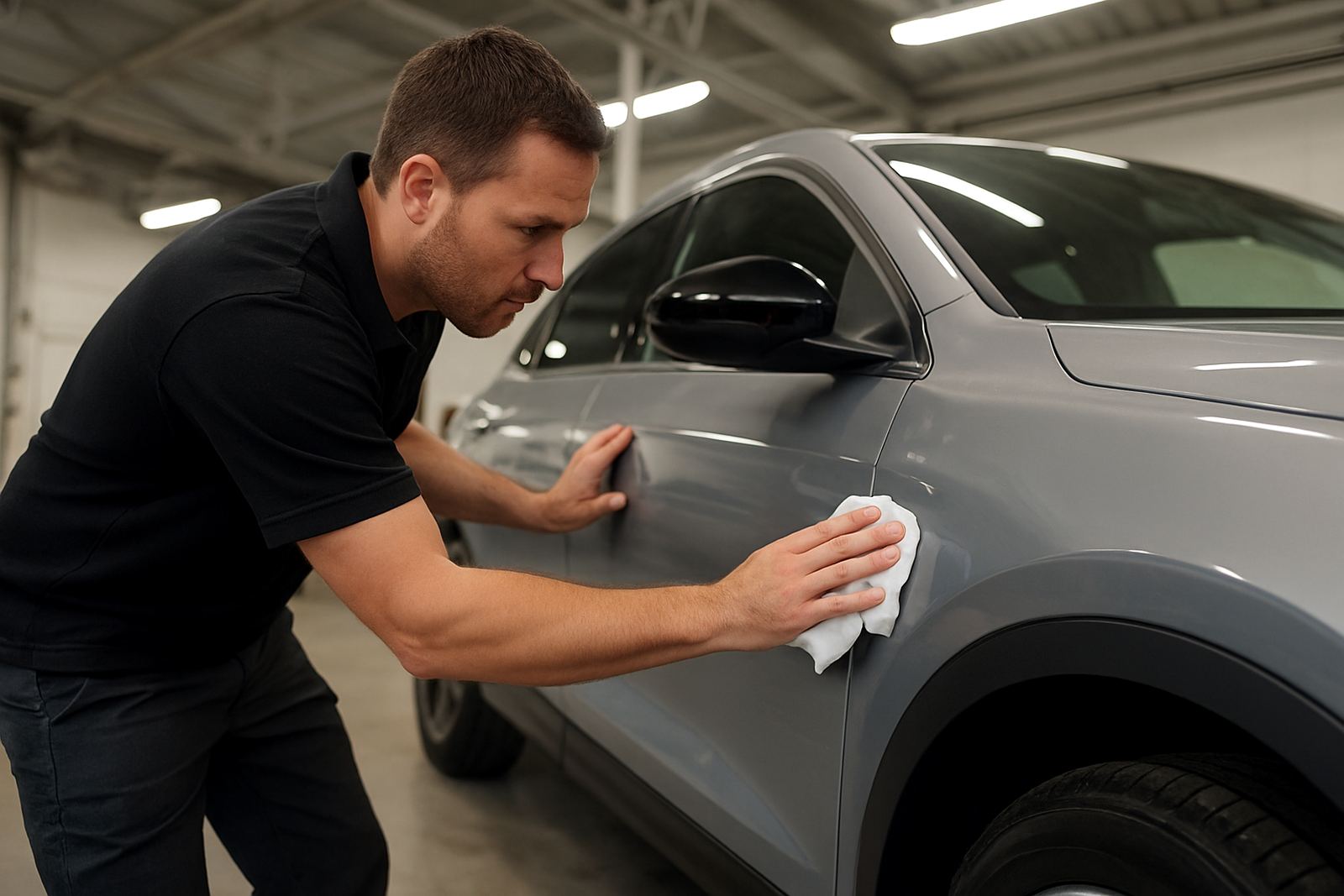
Once the initial cure period is complete, regular washing is the best way to keep the wrap or film in good condition. Use cool to lukewarm water, a mild pH-neutral car shampoo and a soft microfibre wash mitt. Rinse dirt off first so grit does not scratch the surface. A gentle two-bucket method works well for private vehicles and fleet units alike.
High-pressure washers can be used with care, but keep the nozzle at least 30 cm away and never aim directly at lifted edges, door seams or film joints. On vehicles used in coastal areas or near industrial sites, wash salt and grime off more often because they can dull the finish quicker than inland dust.
- Hand wash every 1 to 2 weeks for daily drivers
- Fleet vehicles in heavy service may need weekly washing
- Dry with a clean microfibre towel, not a rough chamois
- Remove bird droppings, fuel spills and tree sap as soon as you can
Ongoing Care for Vinyl, PPF, Tint and Wheels
Different surfaces need slightly different attention. Vinyl colour changes are happiest with regular washing and light cleaning only. PPF can take more abuse, but it still benefits from gentle care and quick removal of road film. Tinted windows should be cleaned with ammonia-free glass cleaner and a soft cloth so the film edges stay neat. Wheel refurbishment needs extra caution around brake dust, kerb marks and acidic cleaners.
For interior wraps, keep the cabin dry and avoid strong solvents. On satin, matte and textured finishes, do not use gloss-enhancing products unless we have confirmed they are suitable. A small amount of product can change the appearance, sometimes more than you expect and not in a good way.
- Inspect edges after long trips or gravel-road use
- Use mild cleaners only on interior trim
- Check wheel faces and lips after curb contact
- Book a touch-up if a corner starts lifting or a scratch goes through the film
Inspection, Touch-Ups and Maintenance Intervals
We suggest a quick inspection after the first week, then again at the one-month mark. That gives us a chance to check for trapped moisture, edge lift, contamination around badges or handles, and any issues caused by early washing. For fleet vehicles, a quarterly check works well, especially where vehicles are washed by different drivers or returned through multiple branches.
PPF can last for years with proper care, but it should still be checked after long-distance travel, winter road grime or repeated pressure washing. Tint should be examined for corner lift or scuffing when windows are used often. If you are near the coast, monthly cleaning with fresh water helps reduce salt build-up, especialy on lower panels and wheel arches.
- 1 week: first inspection and any minor corrections
- 1 month: wash review and condition check
- Every 3 months: fleet audit or high-mileage check
- Every 6 to 12 months: deep clean and detailed review
How Pricing and Support Are Structured
Aftercare Support is usually included as part of the installation handover, with practical guidance issued on site or through our contact form. Where a vehicle needs an additional inspection, edge repair, removal advice or maintenance visit, we quote according to the size of the job, the material fitted and the time needed. That keeps the pricing fair for a single vehicle and manageable for larger fleet schedules.
We can also prepare maintenance guidance for companies with multiple vehicles so drivers, cleaners and depot managers follow the same process. This helps prevent avoidable damage, especially where vehicles are cleaned off-site or moved between Johannesburg, Pretoria, the East Rand and Durban.
- Single vehicle advice and handover notes
- Fleet maintenance schedules on request
- Repair quotes based on area affected and material type
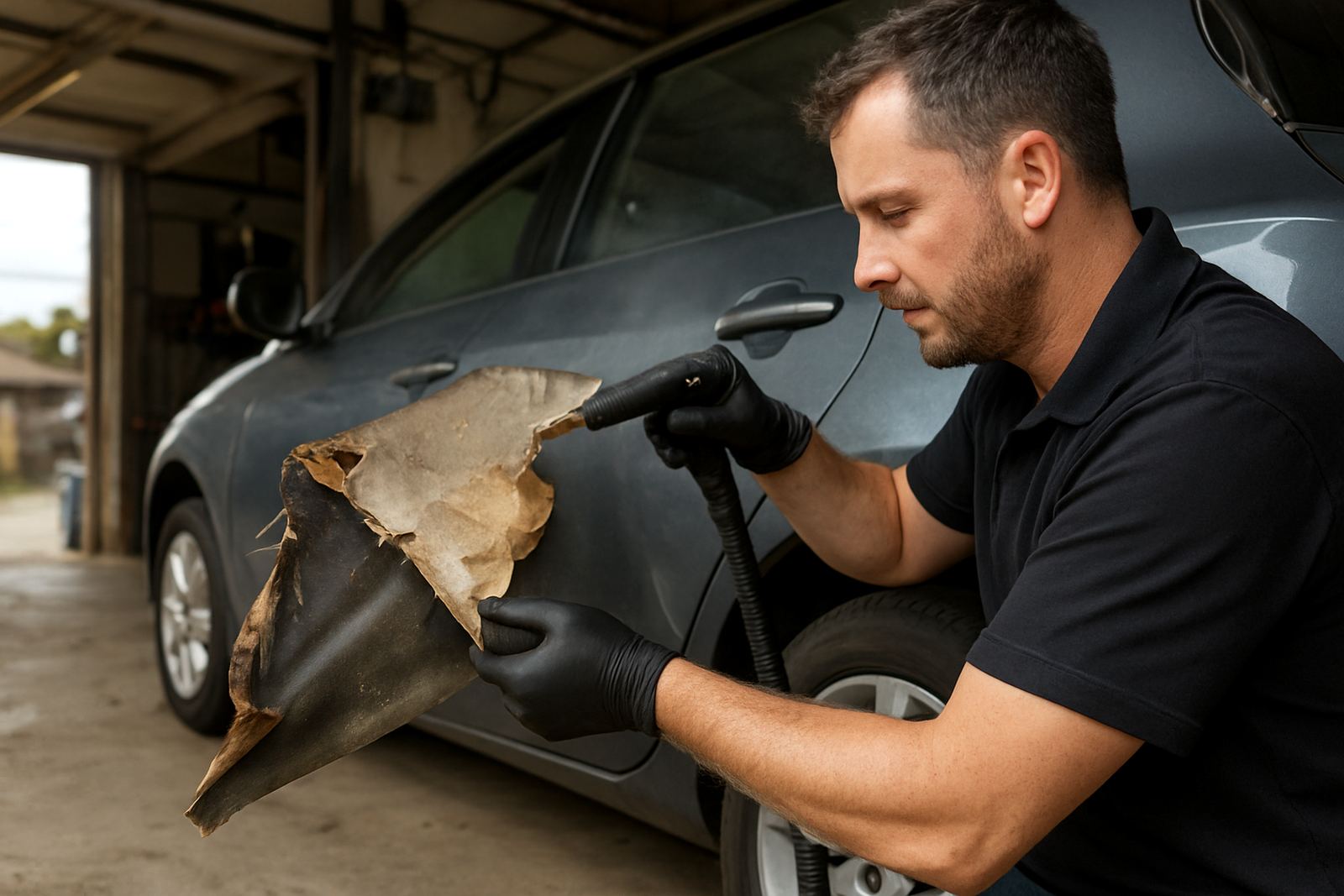
- Removal guidance when a wrap reaches end of service
Key facts
| Support scope | Vinyl colour change, PPF, tint, interior wraps and wheel refurbishment |
|---|---|
| First wash | After cure period, typically 5 to 7 days depending on weather and panel type |
| Wash method | Hand wash with pH-neutral shampoo and soft microfibre mitt |
| Pressure wash clearance | At least 30 cm from the surface, never at edges or seams |
| Inspection intervals | 1 week, 1 month, then quarterly for fleet vehicles |
| Coverage area | Kya Sand, Sandton, Midrand, East Rand, Pretoria and Durban service areas |