
How long should I leave a newly wrapped vehicle before washing?
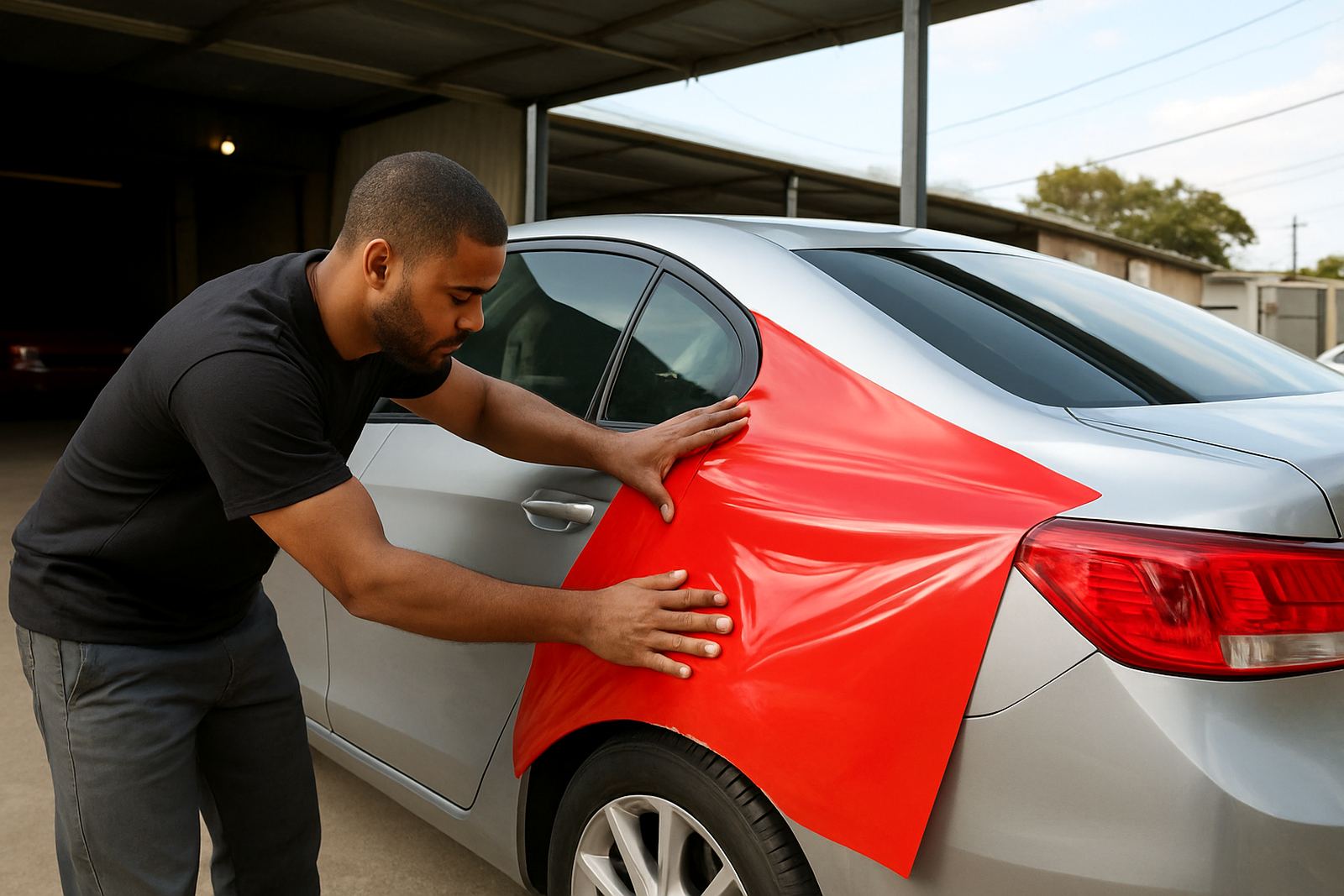
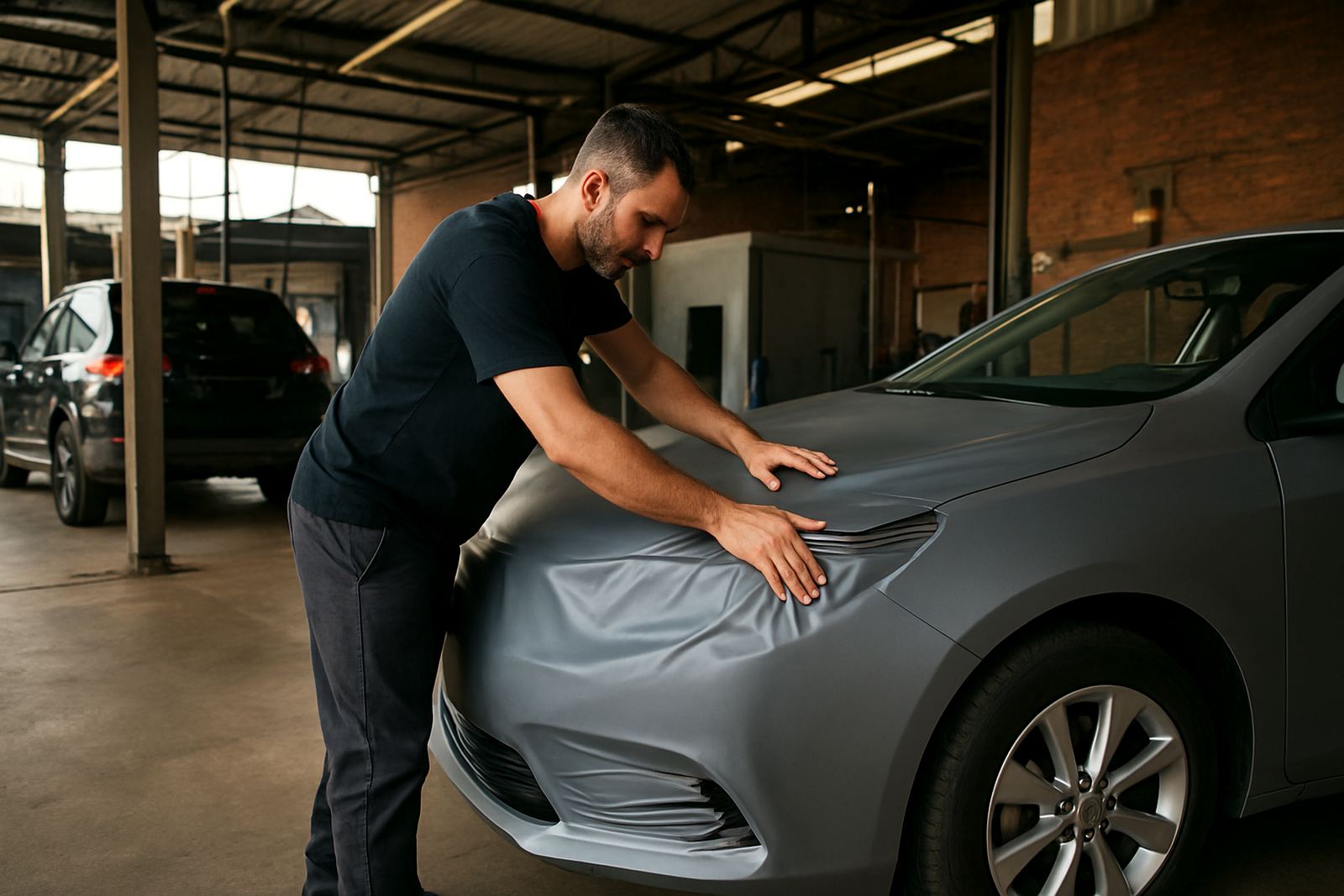
Give the wrap time to settle before the first wash. As a rule, wait at least 5 to 7 days after installation before using a hose, bucket wash or pressure washer. This helps the adhesive bond properly, especially on edges, curves and around badges. If the vehicle was fitted in a cooler bay or during winter in Johannesburg, rather wait the full week. You want the wrap dry, not rushed.
During the curing period, avoid heavy rain, standing water and parking under sprinklers. If the vehicle gets dusty, use a soft microfibre cloth and light hand cleaning only. Do not pick at lifted corners, because that can pull the film back before it has set.
What is the safest way to wash a wrapped vehicle?
Hand washing is best. Use clean water, a pH neutral car shampoo and a soft wash mitt or microfibre cloth. Start at the top and work down so grit does not get dragged across the film. Rinse well before and after washing, and dry with a clean microfibre towel. In coastal areas, wash salt spray off as soon as you can, because sea air can leave a film on the wrap and the fittings.
- Use low pressure only, and keep the nozzle at least 30 cm from the surface.
- Do not use strong degreasers, acetone, thinners or solvent based cleaners.
- Avoid abrasive brushes at fuel stations and on commercial wash bays.
- For fleet vehicles, set a standard wash routine so every driver follows the same method.
If you have a matte finish, textured interior film or a satin colour change, test any cleaner on a small hidden area first. Some products leave shine marks or streaks.
Can I use a pressure washer or automated car wash?
A pressure washer can be used carefully, but it is easy to damage lifted edges, seams and tinted windows if the pressure is too high. Keep the spray moving and never aim directly at wrap joins, edge tape or wheel lip areas. Do not use a turbo nozzle or stand too close. If the film was recently fitted, rather skip the pressure washer completely.
Automated car washes are not ideal. The brushes can catch on corners, badges, roof channels and mirror housings. They can also mark softer gloss films and window tint. If your business vehicle spends the week on the road, a proper hand wash every 1 to 2 weeks is a far safer choice.
- Safe pressure is light to medium, never high blast.
- Do not spray into panel gaps or under loose trim.
- Check the vehicle after every wash for lifted edges.
- Report any damage early so it can be corrected before dirt gets underneath.
Where should I park to help the wrap last longer?
Parking matters more than many owners realise. Whenever possible, use shade, a covered bay or a secure indoor park. Strong sun will fade a wrap more quickly, especially on red, yellow and bright corporate colours. In Gauteng, the UV can be harsh by midday and a vehicle left outside every day will age faster than one parked under cover.
Do not park under trees if you can avoid it. Sap, bird droppings and falling seeds can stain the surface. If the vehicle must stand outside, wash off contamination quickly rather than leaving it until the weekend. On coastal routes, rinse salt and road film regularly. For vehicles on load-shedding affected sites, good lighting helps staff inspect for edge lift and scratches after dark too.
- Use shade where possible, especially for fleet vehicles.
- Avoid trees, sprinkler zones and oily workshop areas.
- Remove bird droppings as soon as possible.
- Park straight where you can, so tight turns and poles do not scuff the wrap.
What daily habits help a wrap stay neat for longer?
Small habits make a big difference. Tell drivers not to scrape the wrap with fuel nozzles, loading cages, tyre brushes or rough cloths. Keep decals and registration marks clear, and do not stick random stickers over wrapped panels unless they can be removed cleanly later. If you are running a fleet, write a short vehicle care note for every driver and wash team. That saves arguments later.
Check the vehicle once a week for chips, lifted corners or signs of wear around handles, mirrors and wheel arches. Early repair is always cheaper than a full rework. For wrapped bumpers and lower doors, slow down near curbs and parking stops. Most damage happens at low speed, not on the open road. A little care goes a long way and it keeps the unit looking right.
How do I look after PPF, tint, interior wraps and wheel finishes?
Paint protection film, window tinting, interior films and wheel refurbishment all need slightly different care, but the basics are the same. Keep chemicals mild, avoid harsh scrubbing and give every surface time to dry properly after cleaning. Fresh tint should not be rolled down for several days, and interior wrapped trim should only be wiped with a soft cloth. On wheels, brake dust should be removed often because it becomes harder to clean if it is left for too long.
- PPF can be washed and dried like the rest of the vehicle, but avoid picking at the edges.
- Window tint should be cleaned with a non ammonia glass cleaner and a soft cloth.
- Interior wrap surfaces should be wiped, not soaked.
- Refurbished wheels should be checked for kerb marks and deep chips after parking.
If you are not sure which product was used on your vehicle, ask before trying a cleaner. A quick call is better than testing the wrong product on a finished surface. It saves time and keeps the work looking tidy, bru.