
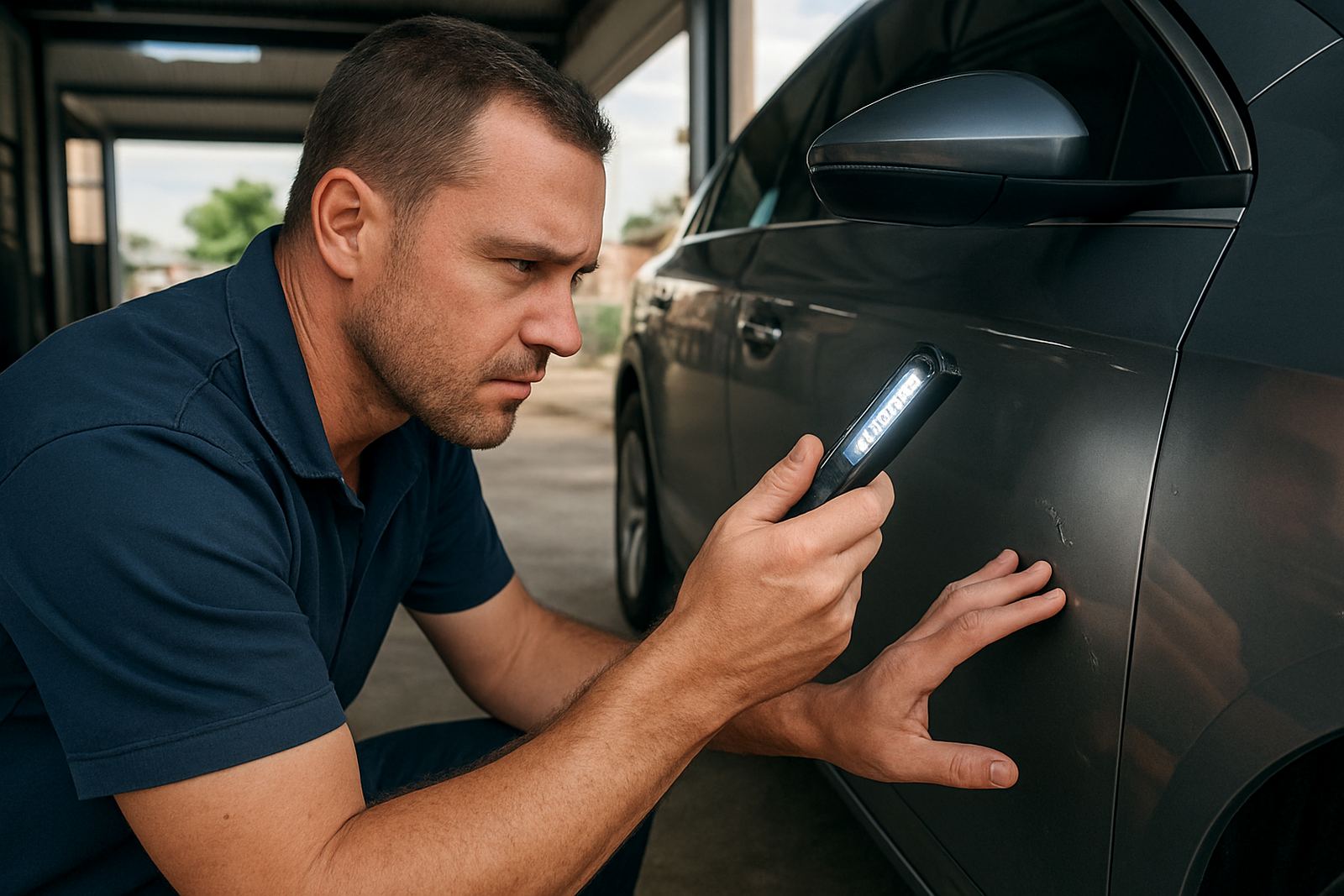
Why panel condition matters before vinyl goes on
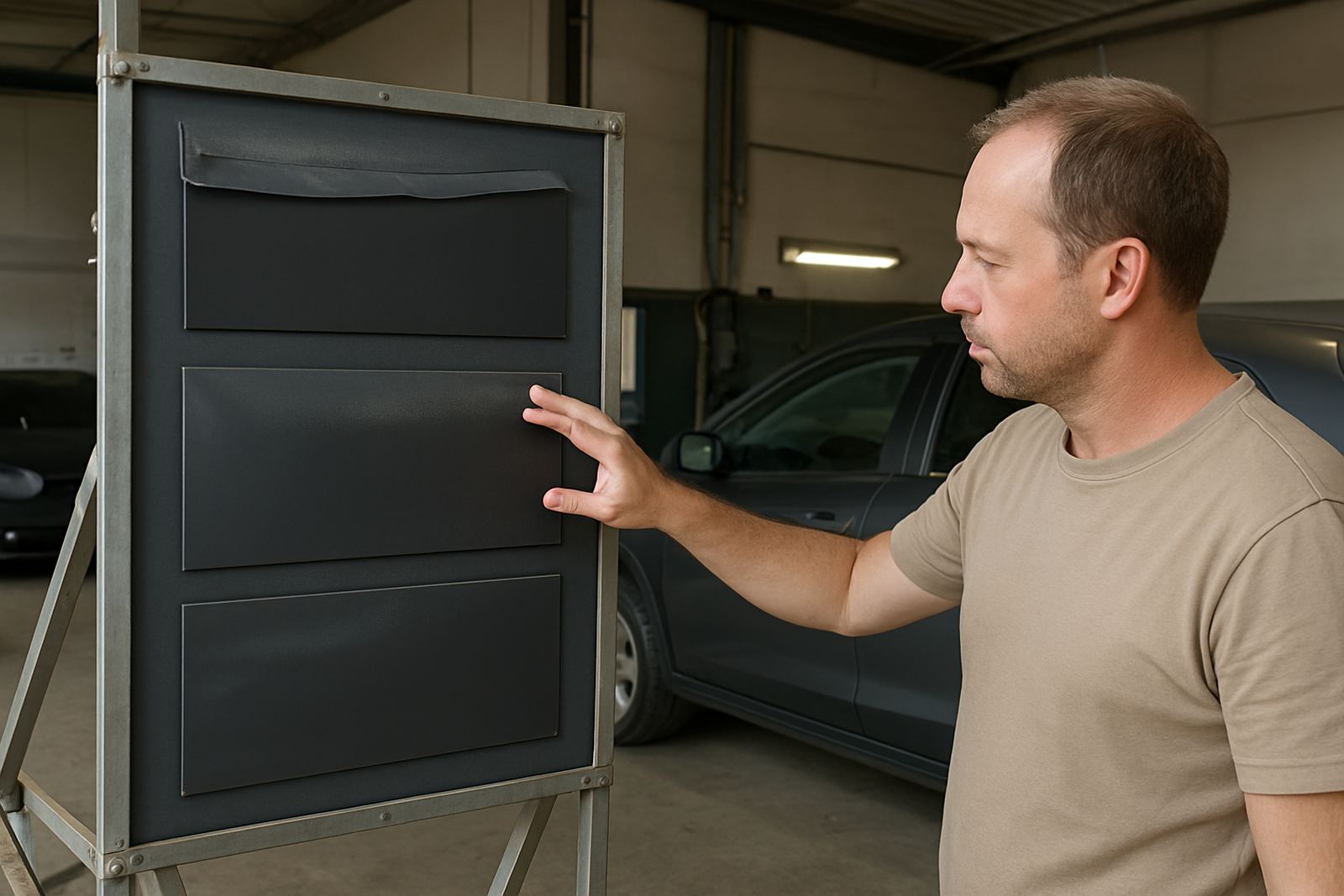
Vinyl does not hide damage. It follows every dip, edge and repair line on the panel, which means a small dent can show through as a flat spot and a rough repair can print through once the film settles. On a white panel, even a slight filler mark can become visible in strong daylight. That is why a pre-wrap check is not a box-tick exercise, it is part of doing the job properly.
We look at the panel as a whole, not just at the part where the wrap will be visible. If there are old scratches near the edge, sanding marks, or a door that sits slightly proud, those issues can affect the way the film lays and how long it stays down. A vehicle with clean, sound panels is far easier to wrap and usually gives a better result from day one.
The common faults we find on job cards
Most of the problem panels we see are not major accidents. They are everyday issues from parking, minor knocks, bad repairs and hard use. On fleet vehicles, the damage is often repeated across several units, especially on doors, load bins and lower panels near kerbs.
- Small dents around door edges and wheel arches
- Rust spots at stone chips, seams and badges
- Old filler that has sunk or cracked
- Poor paint repair with overspray or sanding lines
- Loose trims, lifted badges or damaged mouldings
- Fresh paint that has not cured properly
Some of these faults can be corrected before wrapping, while others need a panel be repaired or repainted first. It is always better to stop and fix the base surface than to push ahead and hope the film will cover it. That usually costs more later.
Rust and corrosion need attention before any wrap
Rust is one of the biggest reasons a wrap fails early. Once corrosion starts under the paint, it keeps moving and the film cannot stop it. In humid coastal conditions, or on vehicles that spend time near sea air and wet roads, rust can spread faster than many owners expect. Even in Johannesburg, a chip left open through winter rain and washing can become a rust patch.
If we spot bubbling paint, orange staining or a soft edge around a chip, we flag it straight away. The damaged area needs to be cleaned back, treated and repaired properly before film is applied. Covering rust just hides the issue for a while. It does not solve it and can lead to lifting at the edge, especially near seams and panel joins.
Old paint repairs can be the weak point
Some vehicles have had paint repairs that looked fine when they left the spray booth, but the finish has not bonded well over time. Other times the surface has been sanded too coarse, or the filler underneath was not shaped properly. A wrap will reveal these faults in the form of shadows, texture changes and visible repair lines.
We pay close attention to:
- Colour mismatch between repaired and original paint
- Soft filler edges where the panel should be smooth
- Chalky clear coat that may lift with adhesive
- Stone chip repairs that have not been levelled
- Heat marks or oven damage around previous repairs
If the paint system is unstable, the vinyl may pull it up during removal later. That risk is higher on older resprays and quick touch-ups. A proper panel check helps decide whether the surface is ready or needs more work first.
What we check before starting the wrap
Our panel inspection is practical and direct. We are looking for anything that could affect adhesion, finish or longevity. For fleet work, this step also helps plan the schedule, because one damaged panel on a group of bakkies can affect the timing for the whole job.
- Panel flatness and alignment
- Paint condition and curing status
- Rust, chips and repaired areas
- Trims, handles, badges and seals
- Previous wrap residue or glue marks
- Access points for door shuts, mirrors and fuel caps
If needed, we note which panels must be repaired first and which can move ahead. This saves time in the bay and keeps expectations clear. It also helps with labour planning for larger fleet projects coming through Sandton, Midrand and the East Rand.
A Kya Sand example from a mixed fleet order
We recently assessed a small delivery fleet from the north of Johannesburg before a brand refresh. The vans looked fine at a distance, but the inspection showed a series of minor door dents, one rear quarter with old filler, and rust beginning under a badge on a tailgate. None of it was dramatic, yet each fault would have shown through the graphics once the vinyl settled.
We repaired the worst panels first, cleaned up the rust, and confirmed which units were ready for film and which needed more prep. The owner told us the process saved them from redoing two panels later, which would have caused downtime during a busy week. That is the point of panel condition checks, they catch the small stuff before it turns into a bigger bill.
How owners can help before bringing a vehicle in
You do not need to strip the vehicle down yourself, but a few simple steps help us give a proper assessment. If you know a door was repaired, or a bumper was painted after a parking knock, mention it when you book the vehicle in. The more history we have, the easier it is to spot where a wrap may need extra care.
Before your appointment, it helps to:
- Wash off heavy dirt so dents and chips are visible
- Point out any rust, bubbling or recent repairs
- Tell us about any panel gaps or trim that sits loose
- Leave badges, trims and mouldings in place unless told otherwise
Good prep is not only about cleaning. It is about knowing what the surface is doing and where the weak points are. That is especially important for business vehicles that must stay on the road and look presentable every day.