What Full Body PPF Covers
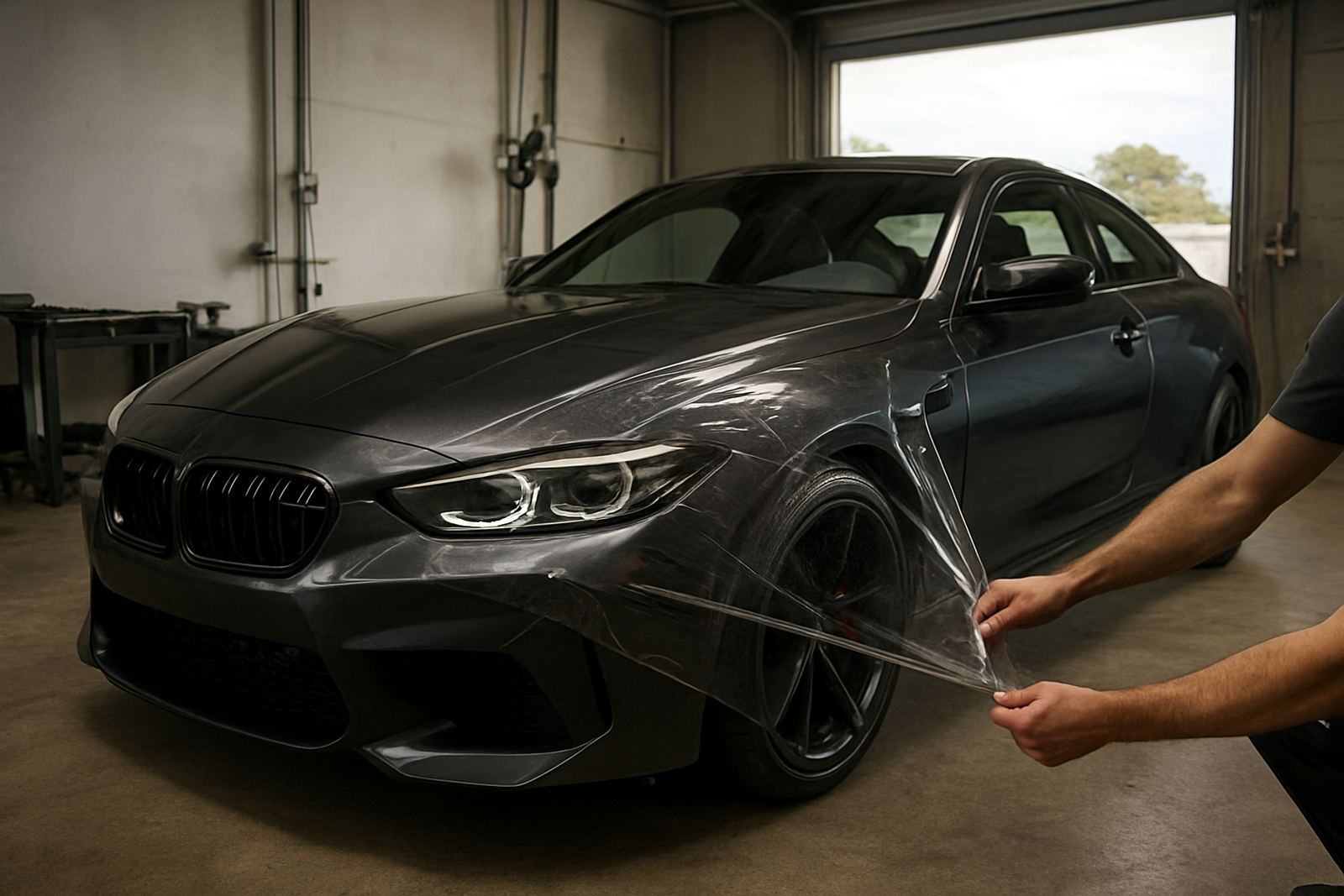
Full body paint-protection film is a transparent urethane layer applied over the painted exterior panels of a vehicle. It is designed to take the abuse before the paint does, which makes it a strong option for drivers who want long term preservation rather than short term touch-ups. On most vehicles we cover the bonnet, front bumper, fenders, mirrors, doors, rear quarters, sill areas, boot lip and other exposed sections, with the option to wrap additional high-wear areas where your driving conditions call for it.
This is not the same as a coloured vinyl wrap. The aim is to keep the factory paint visible while adding a protective layer that helps against chips, swirl marks, wash scratches and light road debris. It is especially useful where vehicles spend time on N1, N3 and gravel-access routes, or where company cars must look smart for client visits and site calls.
- Clear finish that keeps the original colour visible
- Helps protect against stone impact, bug staining and minor abrasion
- Suitable for new vehicles, premium cars and branded fleet units
- Can be applied over full panels or selected impact zones
Where Full Body PPF Suits Best
Full body PPF suits vehicles that are driven often, parked outdoors or expected to hold a strong appearance for several years. In Gauteng, sunlight and dust can age paint quickly, while coastal humidity in Durban can put extra pressure on finish quality if a car is regularly exposed near the coast. For that reason, many owners choose full coverage on daily-use vehicles, executive sedans, performance cars, SUVs and dealership stock that must present well on the showroom floor and on the road.
It also makes sense for vehicles that cannot afford repeat downtime for paint correction. Instead of dealing with chips and scratches one at a time, the film gives a broader layer of protection across the body. Fleet managers often choose it for higher-value units, site vehicles used by directors, and mobile sales vehicles that need a polished appearance at all times.
- Private premium vehicles kept for long term ownership
- Executive and client-facing fleet cars
- Vehicles driven on highways, tar and light gravel
- New vehicle protection before the first long trip
Film Sizes, Coverage Choices and Finish
Full body PPF is supplied in different coverage plans depending on the vehicle shape and the level of protection required. On most passenger vehicles, the film is cut and installed panel by panel, with larger sections joined only where necessary for proper fit and movement. Coverage can be tailored for hatchbacks, sedans, double cabs, SUVs and performance models with deeper bumpers or wider arches.
The film is usually clear and designed to stay as discreet as possible. Some clients ask for a gloss finish to keep the paint looking wet and well kept, while others prefer a matte effect on wrapped sections for a softer appearance. On a full body protection job, the main point is film clarity, edge control and clean panel alignment. Good fitting matters more than fancy talk and it shows in the final result.
- Partial front package, extended front package or full body coverage
- Gloss or matte clear film options, depending on the look required
- Pre-cut or hand-finished panel work based on vehicle shape
- Coverage for painted bumpers, guards, doors, roof edges and sills where requested
How We Install It and What Power Is Needed
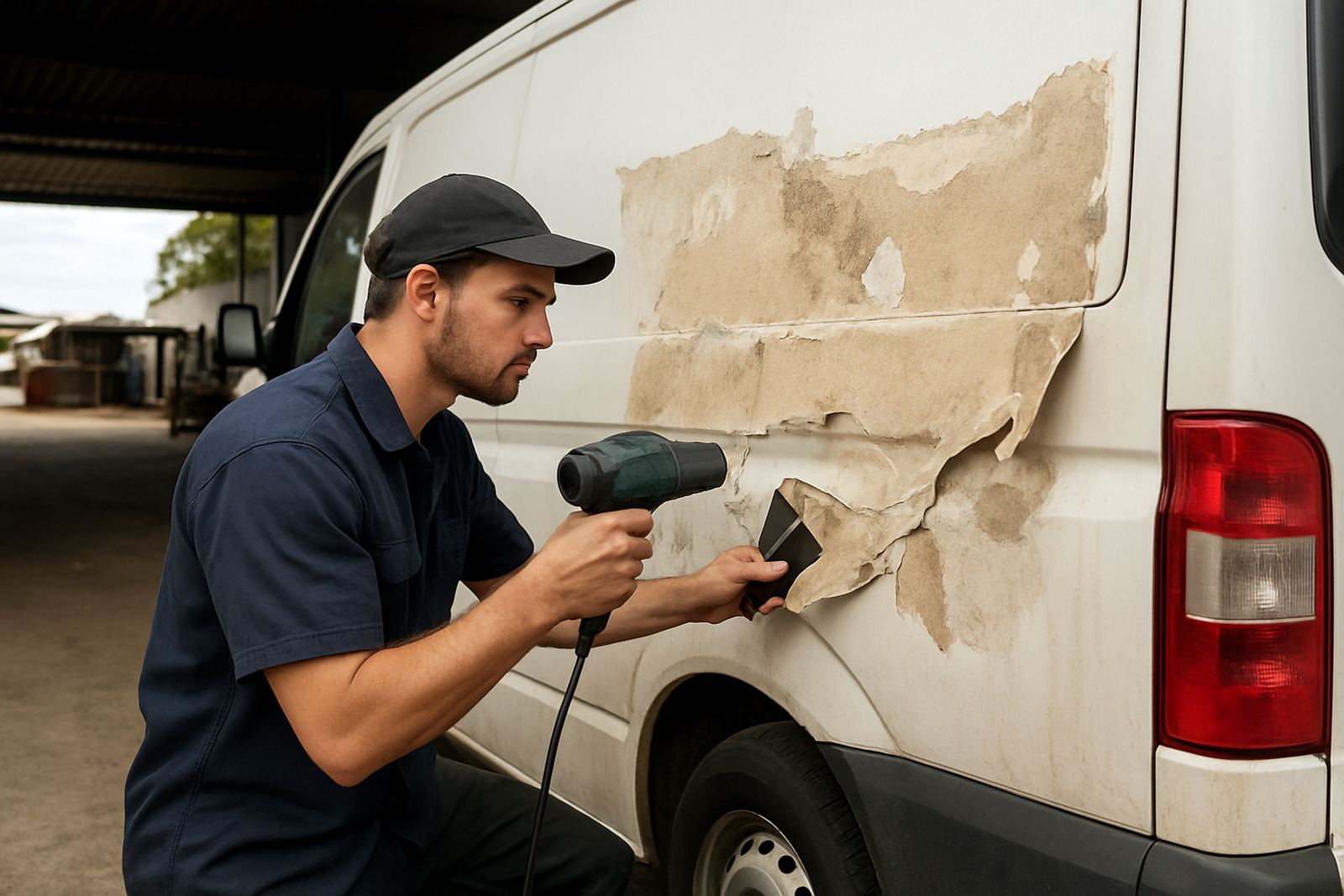
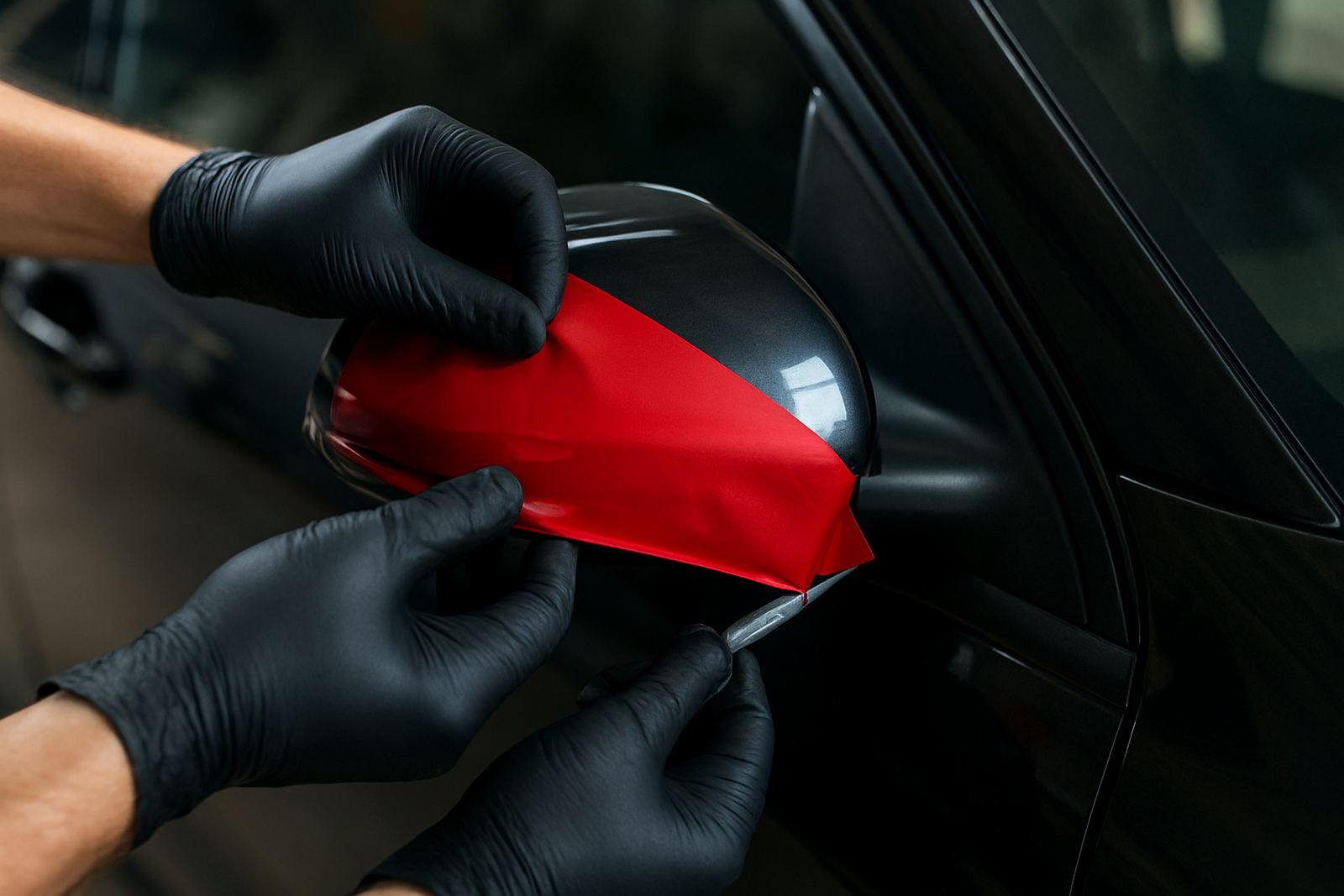
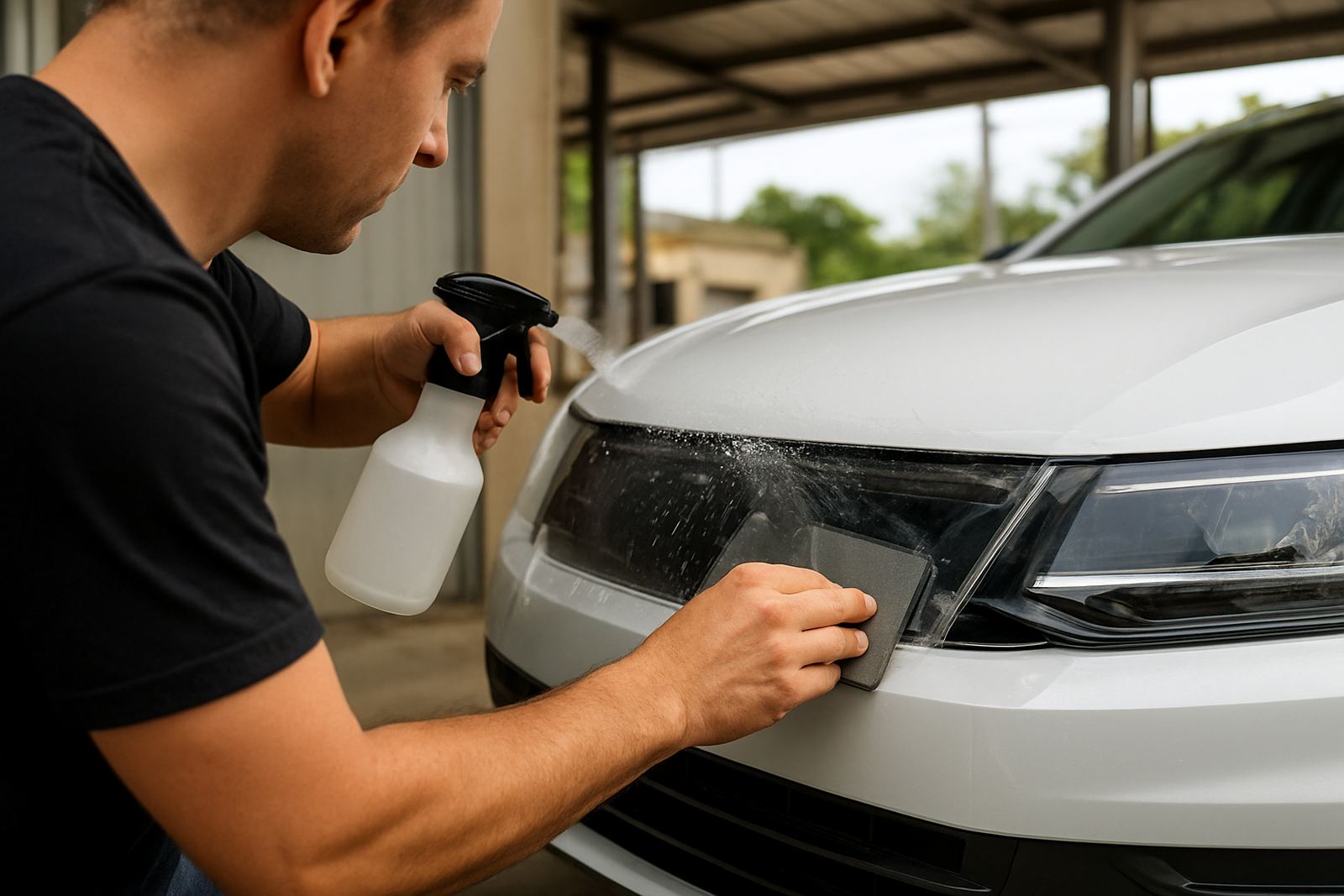
Full body PPF installation needs a clean, dust-managed bay, controlled lighting and enough space to work around the vehicle without rushing. Before fitting, the panels are washed, decontaminated and checked for stone damage, polish residue and trapped dust. Any marks on the paint are discussed before installation because the film will not hide bad paint prep underneath. On correct surfaces, the film is then measured, positioned and squeegeed down to remove moisture and air.
The job itself does not require gas. Electrical power is needed for lighting, cleaning equipment and controlled workshop use, and the vehicle should be left with enough time in the bay for curing. In practical terms, a full body job can take longer than a simple front-end fit because of panel count and detail work around handles, trims, badges and curves. Load-shedding planning matters, so we advise clients to book when stable power is available or to allow extra time if the site may be affected.
- Requires clean indoor fitment space and good lighting
- No gas supply needed for the installation
- Needs standard electrical power for prep and workshop equipment
- Allow curing time before fast driving or harsh washing
Care, Washing and Aftercare Support
PPF is low maintenance, but it still needs sensible care if you want it to last. Wait for the initial cure period before heavy washing, and avoid strong solvents, stiff brushes or automatic brushes that can mark the surface. Hand washing with clean microfibre mitts and pH-neutral shampoo is usually the safest choice. Bird droppings, bug residue and tar should be cleaned off soon as possible, especially in hot weather where they can bond to the film.
With proper care, the film can stay clear and serviceable for years, but the exact life depends on exposure, washing method and how the vehicle is stored. Our aftercare support includes practical guidance for day-to-day cleaning, edge checks and when to bring the vehicle back if a panel has lifted, been damaged by a stone strike or needs inspection after an impact. We also advise clients near the coast to rinse off salt build-up more often, because salt and humidity can shorten the life of any exterior finish if ignored.
- Use soft mitts and clean drying towels
- Avoid abrasive polishes on the film surface
- Rinse off dust, salt and bird droppings promptly
- Book an inspection if you notice lifting at edges or seams
What to Check Before You Order
Before ordering full body PPF, it helps to confirm the vehicle condition, the exact panels to be covered and whether you want protection only or protection plus a specific visual result. If the car has previous respray work, stone chips or deep scratches, those points should be inspected first because the film will lock in what is already there. It is also worth checking whether you want door cups, loading edges, roof strips or sill sections added to the schedule. Small extras can make a big difference in day-to-day use.
For fleet and private clients alike, the best results come from clear instruction upfront. Tell us the vehicle model, colour, how it is used, where it parks and how soon you need it back. If the car travels between Johannesburg, Pretoria, the East Rand or Durban, that route detail helps us suggest the right coverage level. We can also advise on whether the vehicle should be protected before branding, after detailing, or alongside other cosmetic work.
- Confirm the vehicle make, model and year
- List any prior paint work, chips or repairs
- Decide on full body, extended or selective coverage
- Ask about turnaround time and curing before collection
Key facts
| Product type | Full body clear paint-protection film |
|---|---|
| Coverage | Complete exterior panel coverage, vehicle-specific |
| Finish | Clear gloss or matte option depending on film chosen |
| Typical vehicles | Sedans, SUVs, hatchbacks, coupes, double cabs and fleet units |
| Installation setting | Indoor dust-controlled bay with lighting and prep space |
| Care | Hand wash only is preferred, with periodic inspection and aftercare support |