What Interior Trim Wrap Does for a Cabin
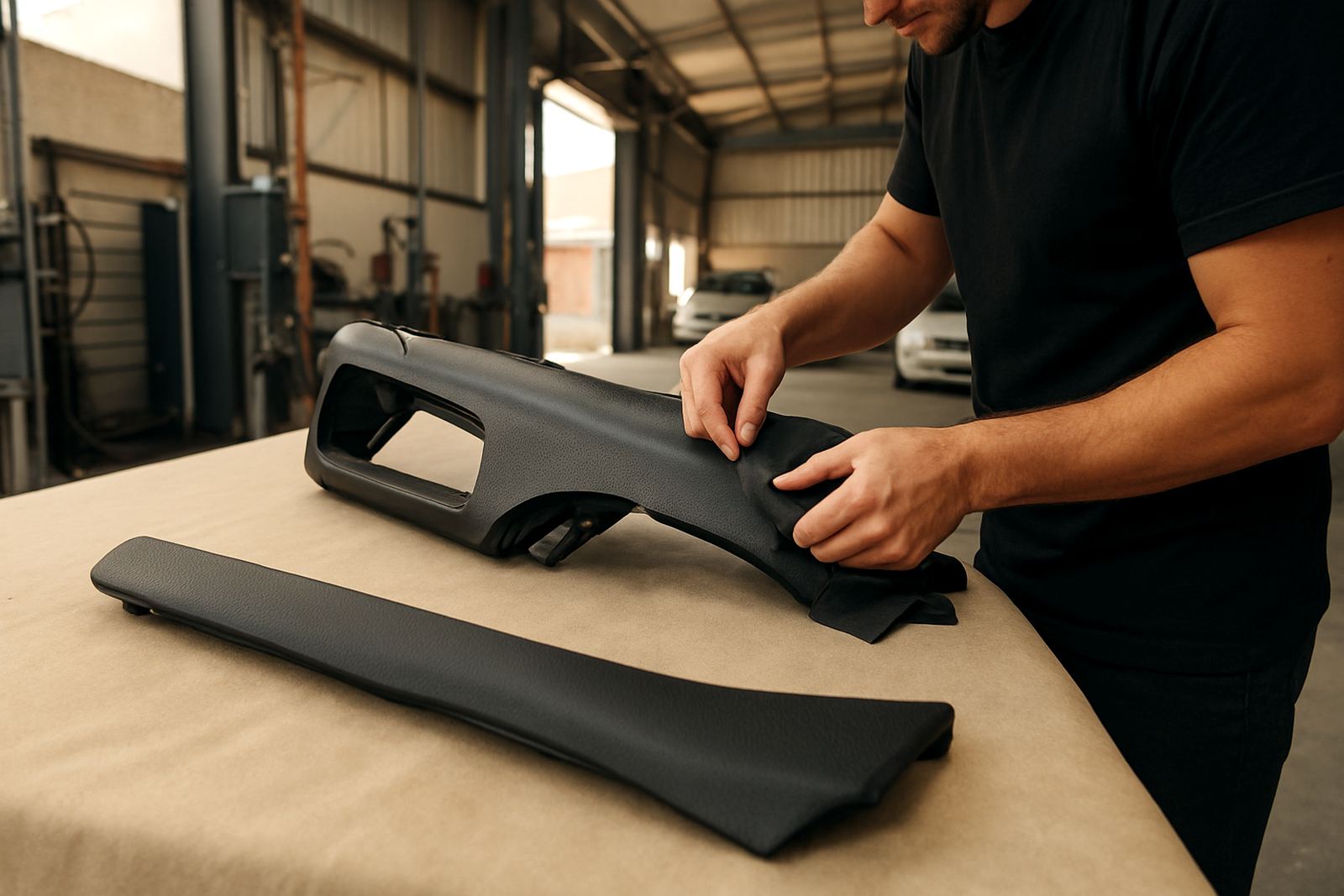
Interior trim wrap is a vinyl film applied to hard interior surfaces such as door inserts, centre console surrounds, dash trims, gear selector panels and other smooth cabin pieces. It is used to change colour, reduce visible wear and keep the interior consistent when the original trim has faded, scratched or started to look patchy.
For Johannesburg commuters, sales cars and service fleets, this is a useful way to tidy up high-touch areas without stripping the vehicle apart. It works especially well on plastics and factory-fitted decorative trims that are still sound underneath. The finish can be matte, satin, gloss, brushed or textured depending on the vehicle and the look required.
Interior trim wrapping is not a repair for cracked panels or broken clips. It is best suited to parts that are structurally fine but just look tired. When the prep is done properly, the result is neat and practical, with no loose edges or shiny joins that draw attention.
Panel Sizes, Finishes and Common Options
Most interior trim wrap jobs are measured panel by panel because cabin parts vary by vehicle make, model and trim level. Small parts can be wrapped in narrow cuts while larger surfaces may need full-sheet coverage with joins placed out of sight. On fleet vehicles, a repeatable cut list is often kept so replacements can be matched later.
- Panel sizes: from small 80 mm to 150 mm inserts up to larger 600 mm to 900 mm console and dash sections
- Film widths: commonly 610 mm, 1 220 mm and 1 524 mm depending on the surface
- Finish choices: matte black, satin grey, gloss carbon style, brushed metal look and plain colour changes
- Optional protection: a clear overlaminate where extra scuff resistance is needed
Colour selection is important because cabin lighting changes how a finish reads during the day and at night. Darker shades hide marks well and suit work vehicles, while lighter or textured finishes can modernise premium cars without making the cabin feel harsh. We always check how the chosen film will sit against factory buttons, air vents and stitched trim so the end result still feels factory-neat.
Where It Suits Best and Where to Be Careful
Interior trim wrap suits vehicles that get used daily and need a cleaner look after normal wear. It is popular for passenger cars, bakkies, executive vehicles, ride-hailing units, municipal pools and branded fleet cars. In humid areas like Durban, it also helps refresh interiors that have started to look dull from moisture, sun and regular cleaning.
It works best on rigid plastic, painted trim and flat to gently curved pieces. Very deep texture, soft-touch coatings, damaged leather-look surfaces or heavily worn rubberised parts need more care and may not hold film well. We also check whether any part gets hot from cabin electronics or direct sun because heat can shorten life if the film is pushed too far around tight edges.
- Good candidates: door trims, console surrounds, radio bezels, dashboard inserts, cup holder surrounds
- Less suitable surfaces: cracked plastics, flaking soft-touch coating, loose panels and badly warped trim
- High-use areas need stronger prep because fingerprints, shoe marks and ring scratches show quickly
Installation, Workshop Setup and Power Needs
Interior trim wrap is normally installed in a clean workshop bay with good lighting and steady dust control. Each panel is cleaned, degreased and dried before the film is measured and cut. Where needed, trim is removed carefully so the wrap can be tucked neatly under the edge instead of stopping short on the face. That takes time but gives a cleaner line and better hold.
The job itself does not need gas. It does need controlled heat for forming around curves and returns, so a standard electric heat tool and reliable power supply are useful. During load-shedding, work can still continue if the bay has backup lighting and enough power for heaters, though some adhesive stages are better handled when the bay is stable and fully lit. For fleet work, we can plan installations around downtime so vehicles are not off the road longer than needed.
Once fitted, the panels are inspected for trapped dust, lifted edges and pressure points. A proper wrap should sit flat, with cut lines hidden where possible and no excess film interfering with switches, airbag covers or moving parts.
Care, Cleaning and Servicing After Fitment
Interior trim wrap needs sensible care, not heavy scrubbing. A soft microfibre cloth, mild soapy water and light wiping are usually enough for daily cleaning. Strong solvent cleaners, abrasive pads and rough brushes should be avoided because they can dull the finish or lift an edge over time. If a vehicle is used for site visits, delivery work or family transport, regular wiping keeps the cabin looking tidy without much effort.
Freshly wrapped parts should be left alone for the first 24 to 48 hours where possible, especially around tight corners. Cabin heat can settle the film after fitment, but the vehicle should not be steamed out or soaked inside. If a piece ever starts to lift or marks appear after an impact, it is usually quicker to repair one panel than replace the whole interior set.
- Use soft cloths only on wrapped trim
- Avoid dashboard cleaners with strong gloss agents
- Do not pick at corner edges or seams
- Book a check if a panel lifts after sun exposure or cleaning
What to Confirm When Ordering Interior Trim Wrap
Before you place an order, confirm the vehicle model, trim level and the exact panels you want done. Small differences between model years can change panel size and clip positions, so the fitment plan needs to match the car rather than just the badge. If your vehicle carries airbags in the dash or door, those areas must be treated carefully and not covered in a way that affects safety components.
It also helps to decide whether you want one-off styling for a private car or a standard finish for a fleet. Fleet managers usually ask for a repeatable colour, a recorded panel list and a clear replacement plan in case of damage. For work vehicles, this saves time later when one unit comes back after a scratch or dashboard repair.
- Confirm vehicle make, model and year
- List the exact panels to be wrapped
- Choose finish: matte, satin, gloss or textured
- Check turnaround time and whether parts need removal
- Ask for aftercare notes and any warranty terms in writing
Interior Trim Wrap For South African Owners
Interior trim wrap gives local drivers a practical way to improve the look of a used cabin without chasing expensive replacements or waiting for imported parts. It is useful when a car still runs well but the inside no longer matches the standard the owner wants. For companies, it also helps older fleet vehicles stay presentable between rotation cycles and resale.
In places like Kya Sand, Sandton, Midrand, the East Rand and Pretoria, many vehicles spend long hours in traffic and open parking. That means sun exposure, heat and constant touch points all take a toll. A neat interior finish helps protect the surfaces people see every day, and it makes the vehicle easier to hand over, sell or keep in service for longer.
If the cabin needs a cleaner look with practical protection, interior trim wrap is a straightforward option that does the job without fuss.
Key facts
| Service type | Interior trim wrap for cars, bakkies and fleet vehicles |
|---|---|
| Common panel sizes | 80 mm to 900 mm depending on trim piece |
| Typical film widths | 610 mm, 1 220 mm and 1 524 mm |
| Finish options | Matte, satin, gloss, brushed and textured |
| Installation needs | Clean workshop bay, lighting, electric heat tool, no gas required |
| Best suited surfaces | Smooth plastics, painted trim and rigid decorative cabin panels |