What A Reflective Safety Wrap Does On The Road
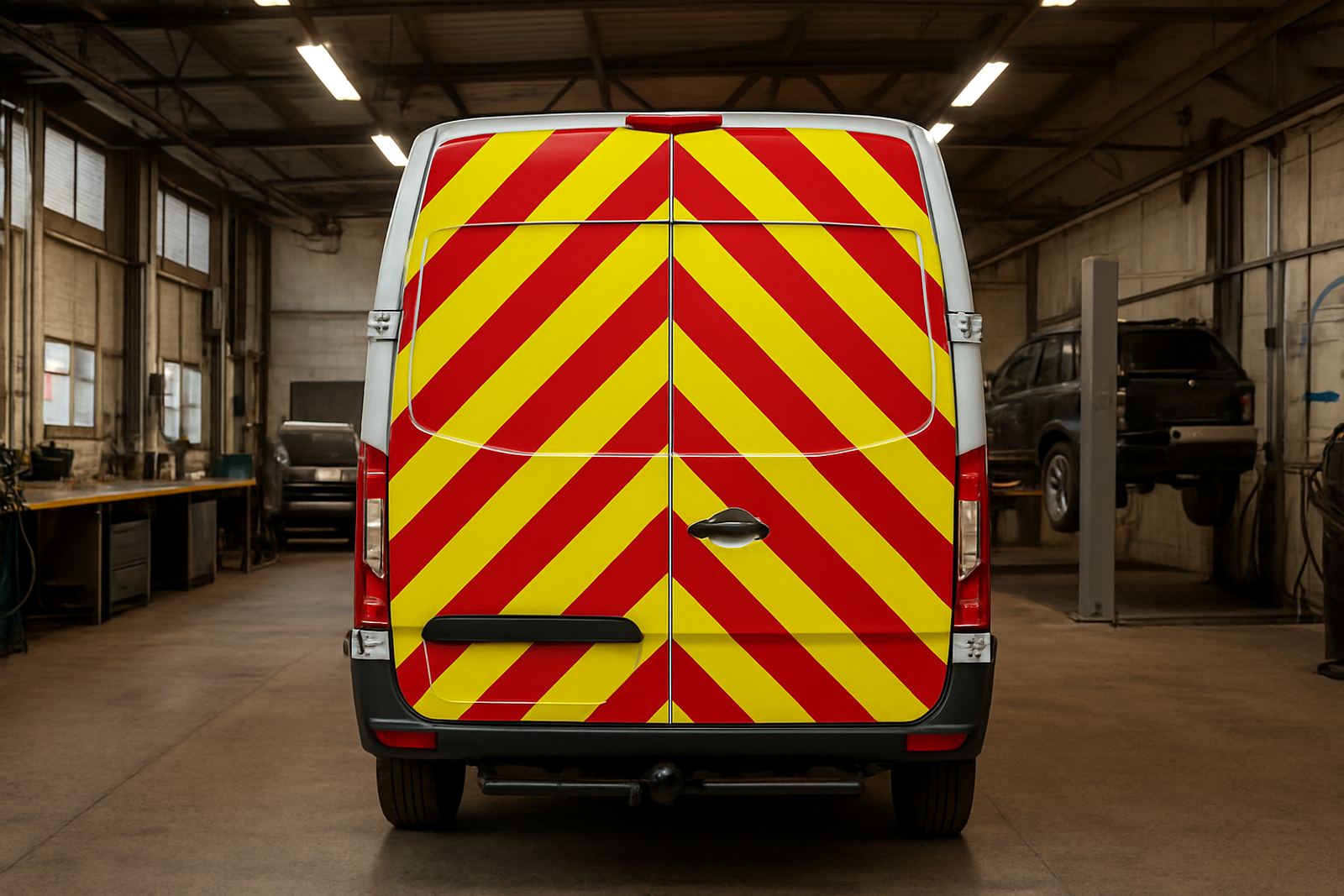
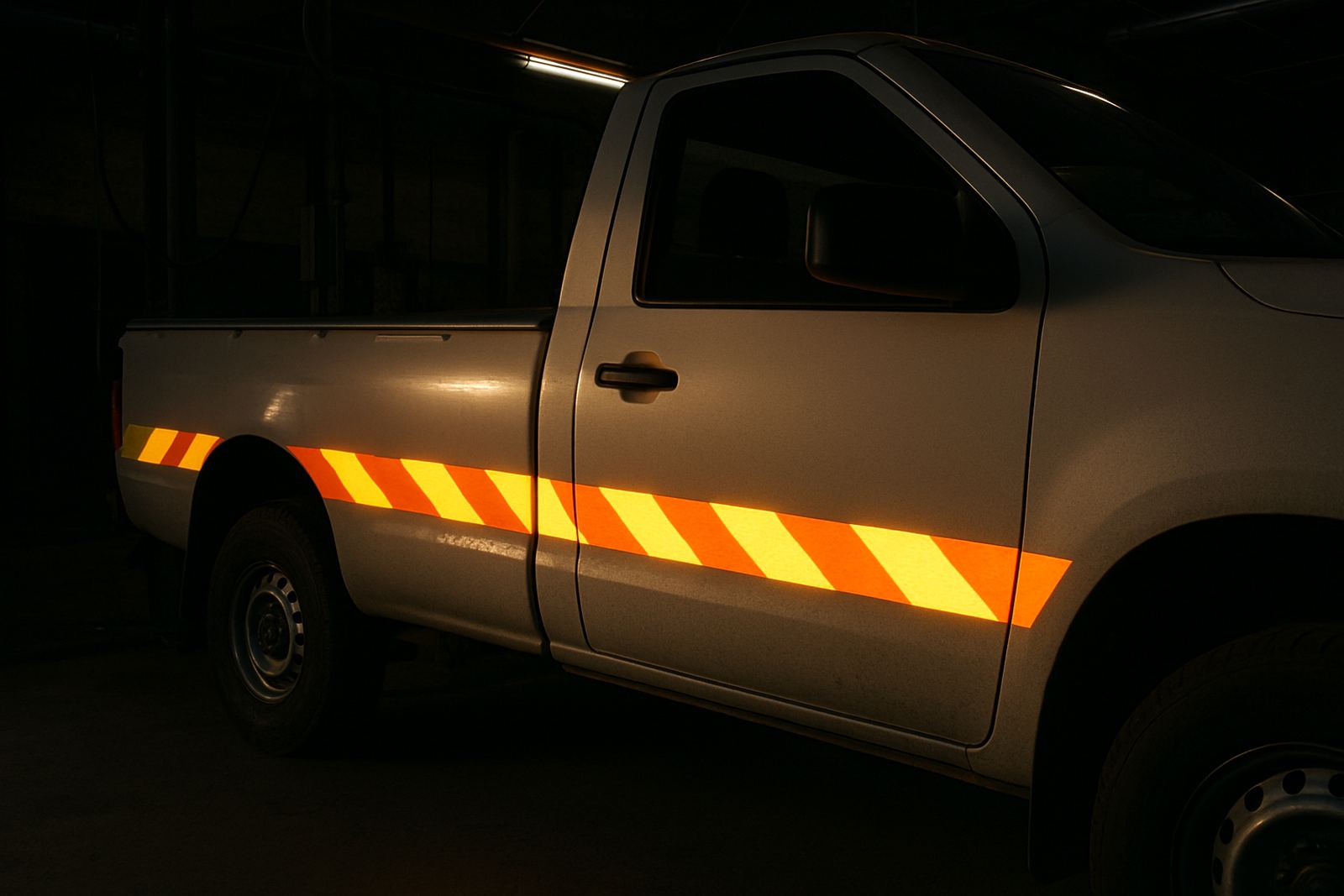
There are a few common ways to spec a reflective safety wrap. Some clients only need rear chevrons and side markers for utility vehicles. Others want full-height reflective stripes, door identification and tailgate warnings for a larger fleet. We can also produce panels that follow your existing fleet brand rules so every vehicle looks the same from Kya Sand to Durban.
Typical material choices include standard reflective film, high-intensity reflective film and non-reflective companion vinyl for logos or text. Panel widths are normally planned around the vehicle shape so the markings sit flat over doors, quarter panels and tailgates. For larger trucks and trailers, we measure the usable flat areas first because curves, handles and mouldings affect the finish.
- Common panel widths: 50 mm, 75 mm, 100 mm, 150 mm, 200 mm and custom cut panels
- Typical applications: rear chevrons, side visibility stripes, bumper markers, cab doors and load area panels
- Optional extras: fleet numbers, QR codes, warning text and reflective arrows
Where It Suits Best In South Africa
This product suits vehicles that operate in low light, traffic control zones or places where roadside visibility matters. We often supply reflective safety wrap for service fleets, security vehicles, roadside assistance teams, plumbers, electricians, construction crews, telecoms vehicles and municipal contractors. It is also a practical choice for businesses that work in coastal humidity or dusty inland conditions, where clear identification and warning markings help keep a fleet professional and easy to spot.
In Johannesburg and Pretoria, many clients use reflective panels for early start deliveries and after-hours maintenance. In Durban, the material is often chosen with extra care for heat, sea air and frequent washing. If your vehicle parks outside or operates near load-shedding generators and temporary work lights, reflective markings can improve visibility when street lighting is limited. It does not replace proper road safety procedures, but it adds a useful layer of warning.
- Works well on vans, bakkies, crew cab vehicles, trailers and small trucks
- Useful for roadside jobs, towing, emergency callouts and fleet support vehicles
- Can be matched to municipal, contractor or private fleet rules
Installation, Access And Power Requirements
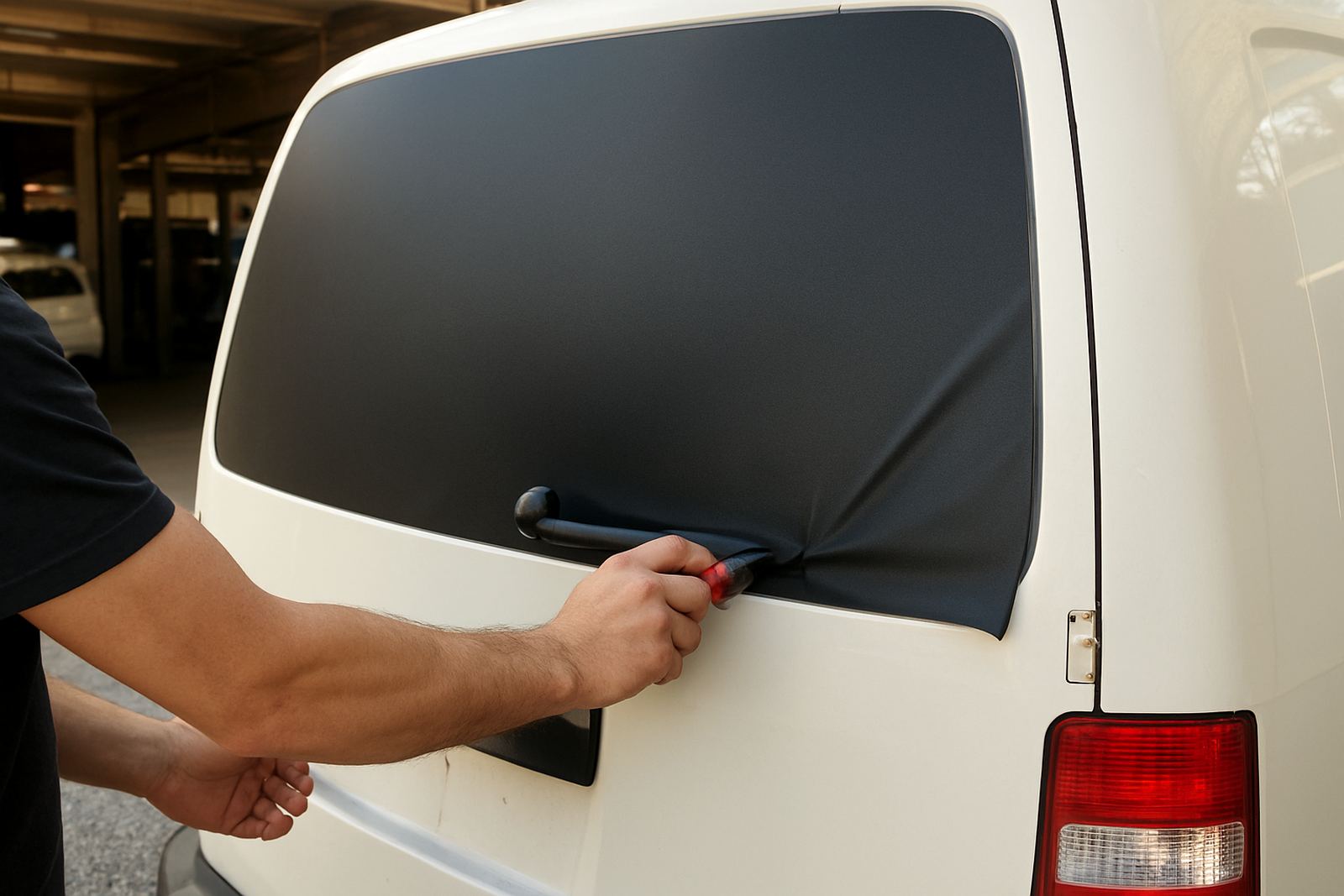
Reflective safety wrap is installed in the same controlled way as other vehicle films. The vehicle must be clean, dry and free from loose wax, road tar and silicone. Our team prepares the surface, measures the panel positions and then applies the film with the correct heat and pressure for the substrate. On corrugated panels, rivets and textured trims, we plan the layout so the wrap sits properly and does not lift early.
No electrical power or gas is needed for the film itself. Installation does, however, require a clean fitting bay, lighting and controlled conditions. If we are removing old markings first, some vehicles may need extra prep time. For fleet work, we can schedule bay-by-bay fitting across our Kya Sand studio and nationwide wrap bays so vehicles are not taken off the road longer than necessary.
- Best fitted in a covered bay away from dust and direct sun
- No permanent power connection or gas supply needed on the vehicle
- Can be installed as part of a full fleet branding or safety upgrade
Care, Cleaning And Service Life
Reflective film lasts best when washed regularly with mild soap and clean water. Avoid strong solvents, abrasive pads and high pressure wash nozzles held too close to the edges. On fleet vehicles that see daily work, edge lifting is usually caused by poor washing habits, impact damage or repeated contact with sharp load items. If the vehicle is parked outside, wax build-up and grime can reduce the reflective effect, so routine cleaning matters.
In South African conditions, service life depends on sun exposure, mileage and how often the vehicle is washed. Well cared for reflective markings normally last several years, but we always advise clients to check high-wear zones such as tailgates, wheel arches and door edges. If a panel is damaged, we can replace that section without redoing the full vehicle in many cases. That keeps the fleet looking orderly and avoids unnecessary downtime.
- Wash with mild soap and a soft sponge or cloth
- Avoid petrol, thinners and abrasive compounds on the film
- Inspect edges, corners and tailgate panels after long trips or rough site work
What To Confirm Before You Order
Before ordering, it helps to have the vehicle type, registration, body style and the exact markings you need. If you are working to a fleet standard, send the size of the panels, the wording, colour preferences and any warning layout required. For reflective safety wrap, placement is important because some areas are more visible than others, especially on the rear and sides of the vehicle.
We also recommend checking whether the vehicle has sensors, cameras, body mouldings, sliding doors or aftermarket accessories that affect fitment. If the fleet runs across different branches, we can keep the same layout across multiple vehicles and adjust the sizes slightly for each model. For larger orders, ask for a sample panel or a material specification sheet before production so everyone signs off the same finish. It saves headaches later and keeps the job moving cleanly.
- Confirm vehicle make, model, year and body size
- Specify reflective coverage: rear only, side only or full warning package
- Check logo files, wording, fleet numbers and any site safety rules
Reflective Fleet Wraps From Kya Sand
Auto Wrap SA handles reflective safety wrap work for single vehicles and large fleets from our Kya Sand base, with wrap bays available nationwide. Under Sibusiso Nkosi, our team manages design, preparation, fitting and aftercare with the same focus on accuracy. Onalenna Sekhukhune oversees operations, Johan van Wyk leads installation, Ayanda Mabena coordinates fleet projects and Tshepo Mabaso handles PPF and tint related detail where a mixed vehicle package is needed. Candice Petersen manages artwork and production so the layout stays consistent across the fleet.
If your vehicles run early mornings, late shifts or roadside jobs, reflective markings are one of the simplest ways to improve visibility without overcomplicating the vehicle. We can fit warning panels, rear markings and branded strips to suit your operation, whether you need one bakkie or fifty fleet units. For quotes or spec checks, send a message through our contact form and we will confirm the right material, sizing and fitting plan.
Key facts
| Material | Reflective safety film with optional companion vinyl |
|---|---|
| Common widths | 50 mm to custom cut panels |
| Application areas | Rear chevrons, side stripes, doors, tailgates and bumpers |
| Suitable vehicles | Vans, bakkies, trailers, service trucks and utility fleets |
| Installation | Covered fitting bay, cleaned surface, heat-assisted application |
| Care level | Mild soap wash, avoid solvents and abrasive pads |