What a Roof Wrap Does on a Vehicle
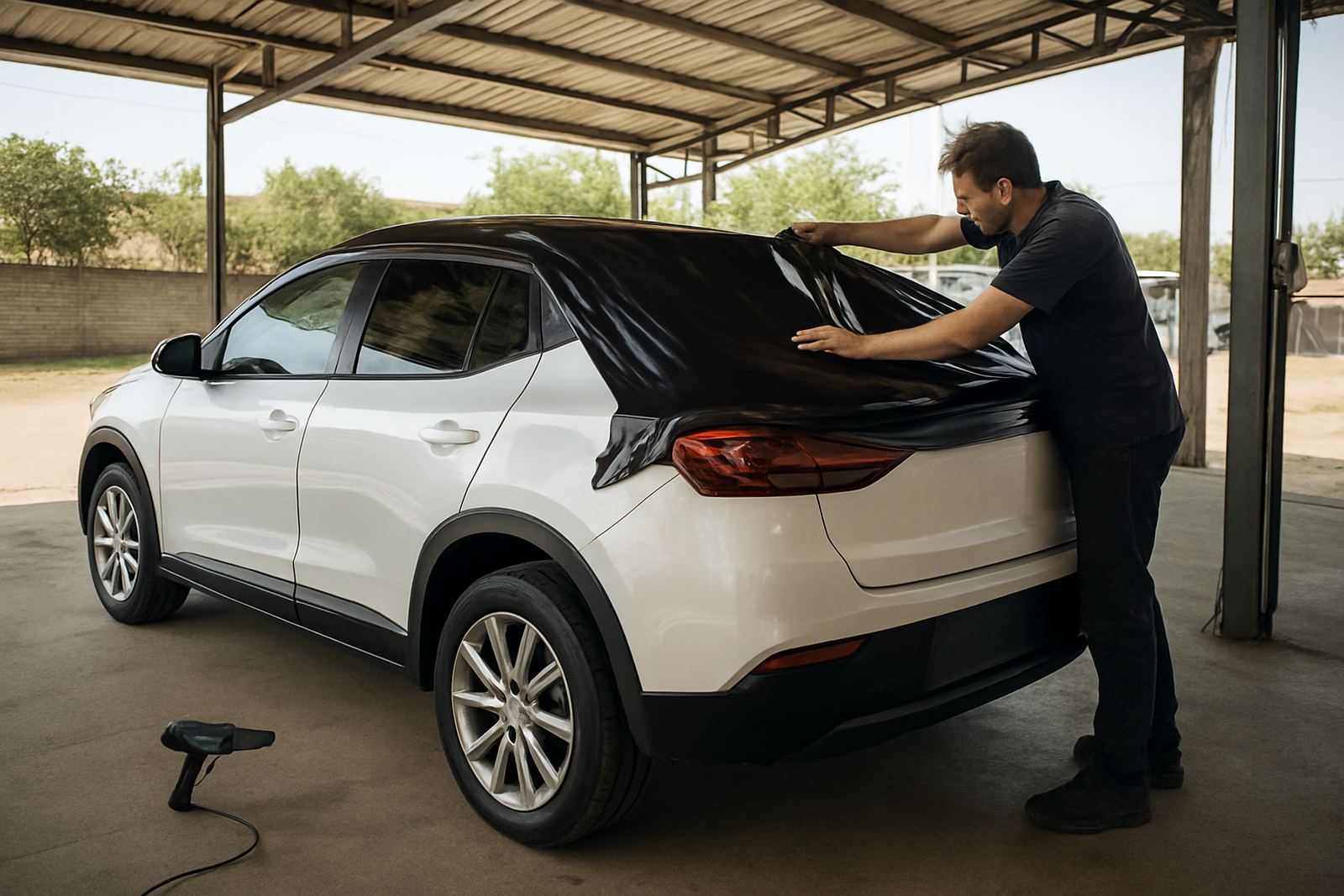
A roof wrap is a vinyl film fitted to the painted roof panel, usually from edge to edge with neat trimming around antennas, roof rails, shark fin units and trims. It can match body colour for a factory look, or it can be used as a contrast panel in gloss black, satin, matte or a printed finish for fleet identity. On vehicles that spend long hours in the sun, the roof is one of the first areas to show fading and heat stress, so a wrap gives that surface a useful layer of protection too.
For many drivers, the appeal is practical. A roof wrap changes the look of a vehicle without a full respray, and it can be removed later if the vehicle is sold, reassigned or rebranded. On company vehicles, it helps carry a clean visual standard across a mixed fleet, especially where different makes and roof shapes are in use. It is a smart option when you want impact without covering the whole vehicle body.
Sizes, Finishes and Roof Options We Handle
Roof wrap work is measured per vehicle, because the panel size, curve and trim layout vary from a compact hatchback to a long wheelbase SUV or panel van. Most passenger vehicles take one full roof panel, while some fleet units need extra allowance for rear spoilers, antenna cut-outs or raised rails. We also handle partial roof wrapping where only the central section or contrast area is covered.
- Gloss, satin and matte colour change finishes
- Blackout roof wraps for white, silver or light-colour vehicles
- Printed branding for fleet identification
- Single-panel roof coverage for most cars and SUVs
- Extended coverage around roof rails, spoilers and antenna areas
In Johannesburg and coastal areas alike, a dark roof finish can change the character of a vehicle quickly, but the right film selection matters. For fleet units parked outdoors at depots, we normally recommend a film with stable colour hold and strong adhesive performance in heat, dust and regular washing. If your roof has factory sunroof glass, we will advise on the usable wrap area and where the film should stop for a clean edge.
Where Roof Wraps Suit Best
Roof wraps suit vehicles that need a visual lift without a full colour change. They work well on sedans, hatchbacks, bakkies, SUVs, minibuses and light commercial vehicles. Private owners often choose a contrasting roof to sharpen the profile of the vehicle, while business owners use roof wrap sections to make company cars easier to identify in parking areas, client sites and delivery runs.
For fleet operators, roof wraps are especially useful when the rest of the vehicle must stay close to the original paint condition. This is common on leased vehicles, sales reps cars and short-term contract units. The top panel can carry a consistent brand cue across different vehicle models, which helps with visibility without turning every unit into a full moving billboard. It also helps when vehicles are parked side by side at shopping centres, estates or industrial yards.
- Private vehicles wanting a contrast finish
- Company cars and sales fleets
- Leased vehicles that need non-permanent branding
- Vehicles parked outdoors in strong sun
- Units where a full wrap is not required
How We Install a Roof Wrap
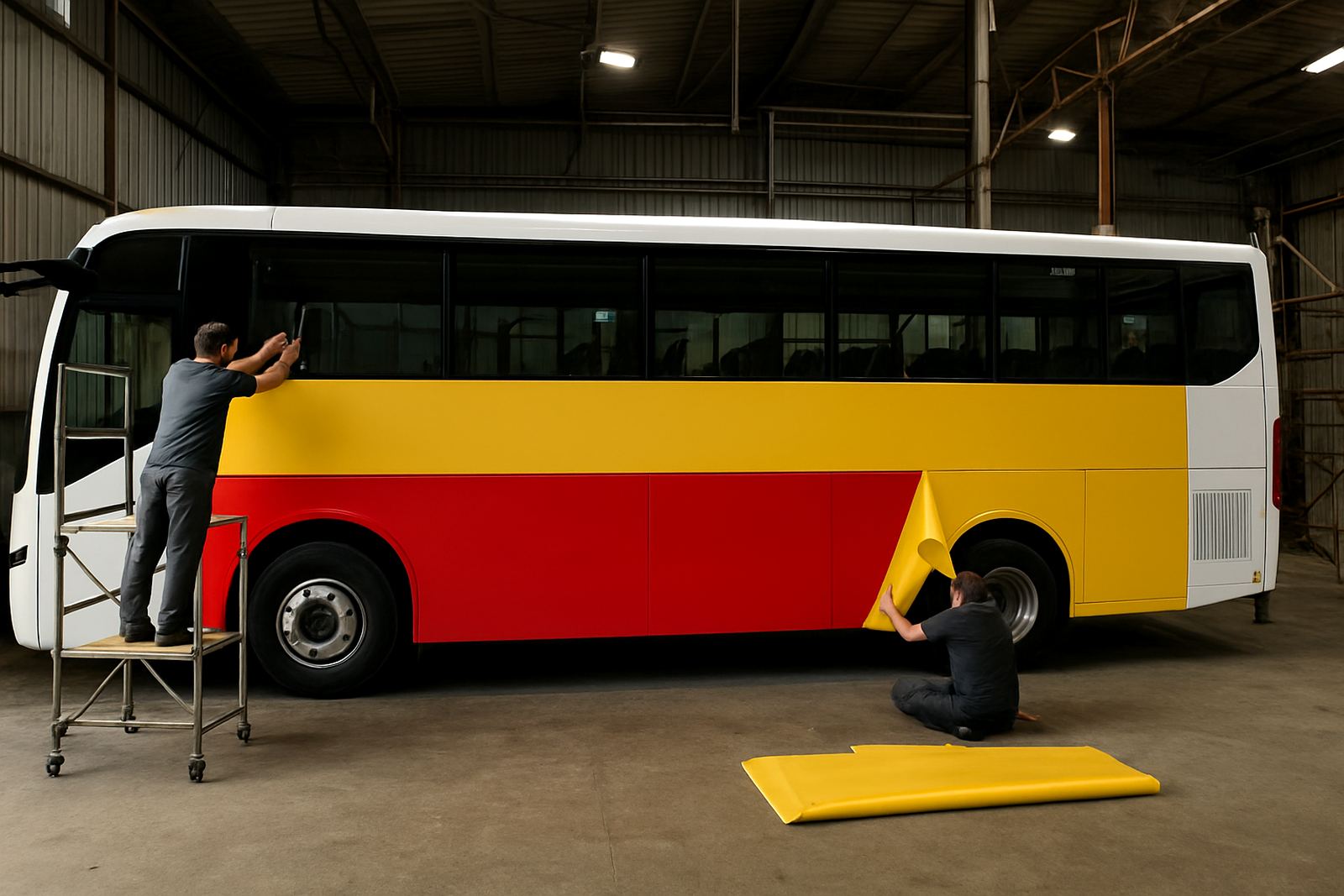
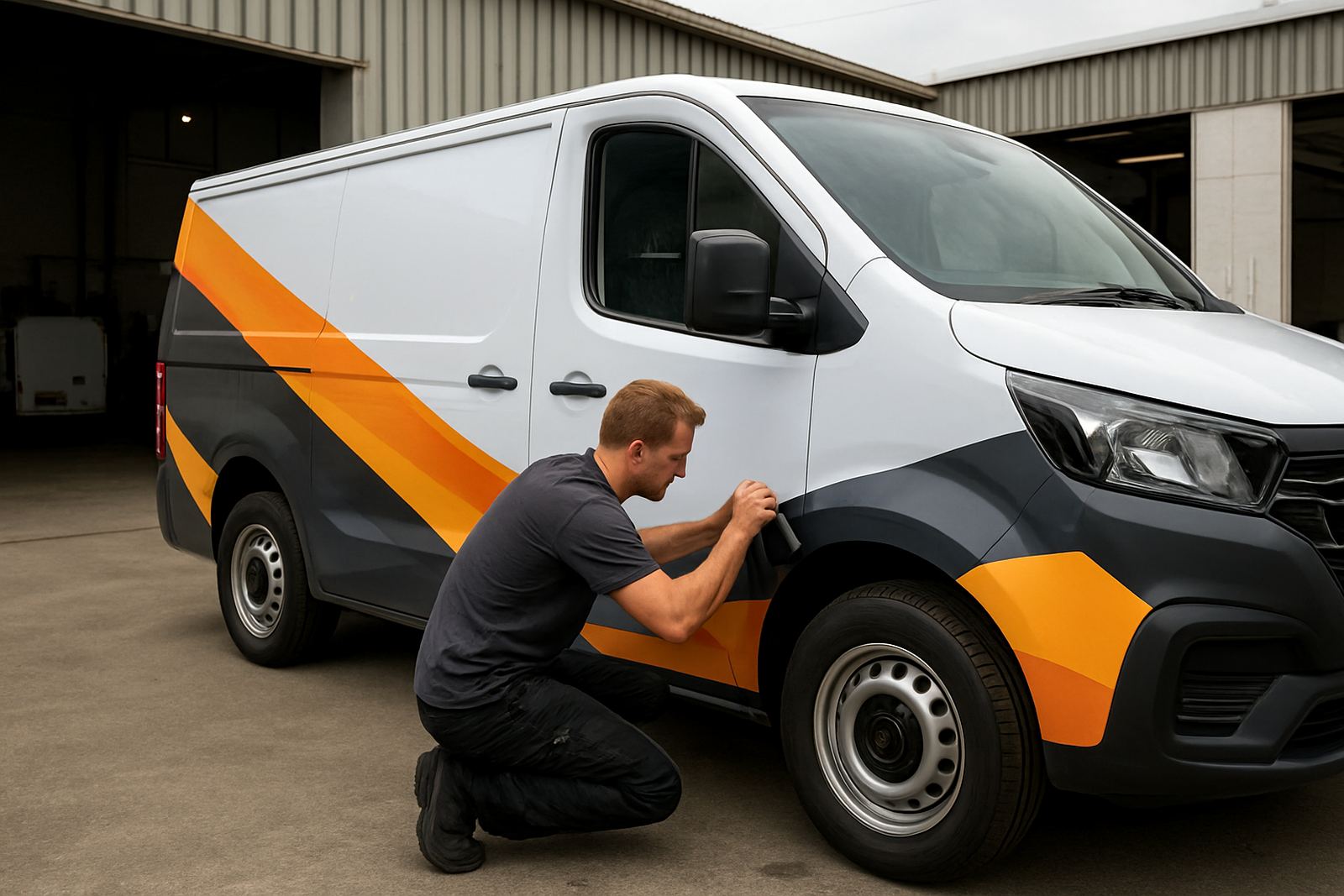
Good installation starts with proper preparation. The roof is washed, decontaminated and wiped down to remove polish, dust and road film. Any wax residue or silicone has to be cleared because it affects adhesion. Where needed, we remove or work around fittings such as aerials and trims so the film sits cleanly and does not lift at the edges. The vinyl is then laid, shaped with controlled heat and trimmed to the panel line.
Our bays use standard workshop power for lighting, extraction and hand tools. No gas connection is required. The work itself relies on clean indoor conditions, a stable power supply, dry panels and careful heat control rather than heavy machinery. For fleet clients, this means the vehicle can be wrapped in a normal service bay with enough room to open doors, lift rear hatches and check the roof line properly. On complex vehicles we allow extra time for finishing around mouldings and roof rails, it is worth doing slowly.
- Clean indoor bay with good lighting
- Dry, dust-controlled surface preparation
- Hand tools, heat control and trim work only
- No gas line needed
- Suitable for scheduled fleet fitments and single vehicles
Care, Washing and When to Book Servicing
A roof wrap should be cared for like the rest of the vinyl on the vehicle. Hand washing is best, especially in the first week after fitting, so the adhesive can settle fully. Avoid harsh solvents, abrasive brushes and high-pressure washing aimed too close to the edge of the film. On fleet vehicles that go through regular wash bays, the operator should be told not to focus strong spray directly at seams or cut lines.
In South African sun and heat, a roof wrap may need a bit more checking than lower body panels because it takes more direct exposure. On coastal routes, salt air and humidity can also affect the finish if the vehicle is not washed regularly. If you notice edge lift, lifting around an antenna or marks after a branch scrape, book an inspection early rather than waiting for the film to peel further. Small repairs are usually easier and cheaper than replacement.
- Hand wash recommended for the first 7 days
- Avoid solvent-based cleaners and rough brushes
- Do not angle pressure washers at the edges
- Check roof edges after storms, branch contact or long highway trips
- Ask for aftercare support if the film shows early wear
What to Check Before You Order
Before ordering a roof wrap, confirm the vehicle make, model and roof layout so the right film allowance can be planned. Sunroofs, roof rails, antennas, aerial bases and spoilers all affect how the film is cut and where the visible edge will sit. If the vehicle is leased, check that a removable wrap is permitted by the contract. For fleet work, make sure the branding standard is approved before production starts so every unit matches.
You should also check the vehicle colour, the preferred finish and whether the goal is visual contrast or light branding. If the roof paint is already oxidised, scratched or badly faded, the surface may need extra preparation and the result can still show the condition underneath if the wrap is ever removed. We will flag that up before work starts. For quoting, the main points are simple: vehicle type, roof fittings, finish choice and whether the job is one-off or repeated across a fleet. That keeps pricing clear and the turnaround smoother.
Key facts
| Product type | Vinyl roof wrap for cars, SUVs and fleet vehicles |
|---|---|
| Common finishes | Gloss, satin, matte and printed options |
| Coverage | Full roof, partial roof or contrast panel |
| Typical fitment time | 1 to 3 hours for standard vehicles, longer for fitted roofs |
| Power and utilities | Standard workshop power only, no gas line required |
| Care | Hand wash advised, avoid harsh chemicals and edge blasting |