What Satin PPF Finish Is And Why Drivers Ask For It
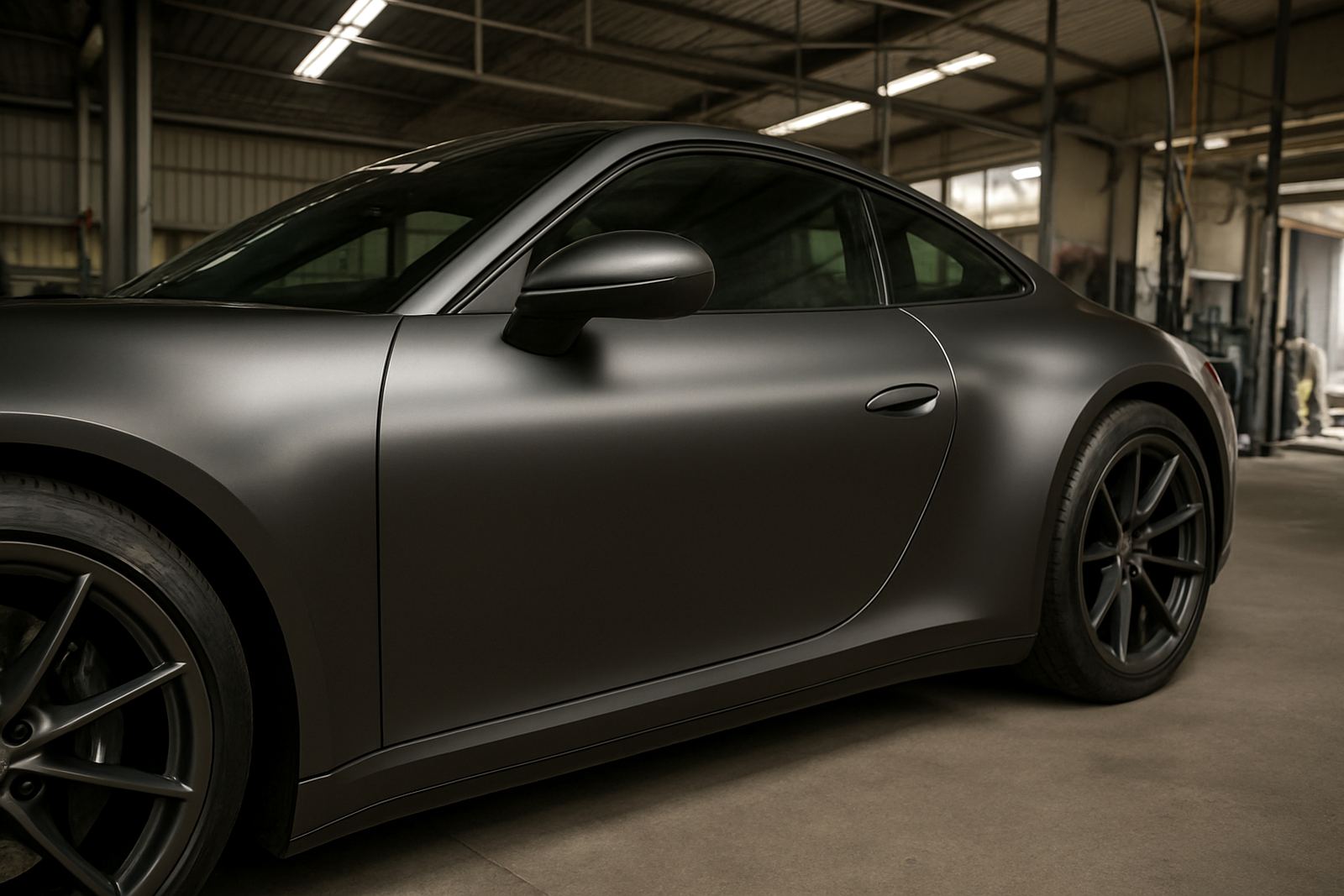
Satin paint protection film is a clear or lightly toned polyurethane film with a soft, low-gloss surface. It changes the look of the vehicle to a smoother satin effect while still doing the practical work of protecting factory paint from stone chips, minor scratches, bird droppings and tar. For many owners, that balance matters more than a shiny finish.
It is commonly chosen for newer cars, company vehicles and special projects where the paint must stay presentable under daily use. The film is fitted over properly prepared panels and can be applied to full vehicles or selected areas such as bonnets, bumpers, mirrors and door cups. On darker colours the satin look is often more visible, while on light colours it gives a cleaner, muted appearance.
- Low-sheen satin surface
- Helps protect original paint
- Suitable for private and fleet vehicles
- Can be fitted to full body panels or high-impact areas
Size Options, Coverage Choices And Practical Specs
We supply satin PPF finish work in sizes that suit single vehicles, mixed fleets and repeat installations. Coverage is normally planned by panel and by the way the vehicle is used. A courier bakkie does not need the same treatment as a sales car that spends most of its time in town, and a full wrap plan will differ from a front-end protection job.
Typical film specs include a paint-safe adhesive, self-healing top layer on many applications, and thickness suited to daily road use. Common thickness ranges sit around 180 to 200 microns, with full vehicle coverage often planned from about 15 to 20 metres of film depending on model size and panel shape. Larger SUVs, panel vans and fleets with repeated fitment requirements may need more material, so exact quantities are checked against the vehicle list before production starts.
- Film thickness: typically 180 to 200 microns
- Coverage: partial front, full front, or full body
- Finish: satin low-sheen
- Use: private cars, SUVs, bakkies, vans and fleet units
- Colour impact: clear protection with softened paint appearance
Where Satin PPF Works Best On South African Roads
This finish suits vehicles that spend time in traffic, on gravel access roads, near coastal air, or in business use where appearance must stay neat for longer. In Johannesburg and surrounding areas, the film helps with daily dust, small stones and tight parking knocks. In Durban and other humid coastal regions, it gives an extra layer against moisture, salt air and wash marks, though regular cleaning is still needed.
Fleet managers often choose satin PPF for executive cars, dispatch vehicles and branded units where the look must stay consistent across several vehicles. Private owners like it on performance cars, dark SUVs and bakkies that pick up chip marks on the nose and lower panels. It can also be paired with window tinting or interior restyling where a cleaner overall finish is wanted. If the vehicle sees heavy municipal or site work, ask us to plan the protection around the points that take the most abuse, not just the panels that look best.
- Good for urban driving and highway use
- Useful in coastal humidity and salt air
- Suitable for executive fleets and work vehicles
- Works well on dark colours and sharp body lines
How Installation Is Done And What Power Or Gas Is Needed
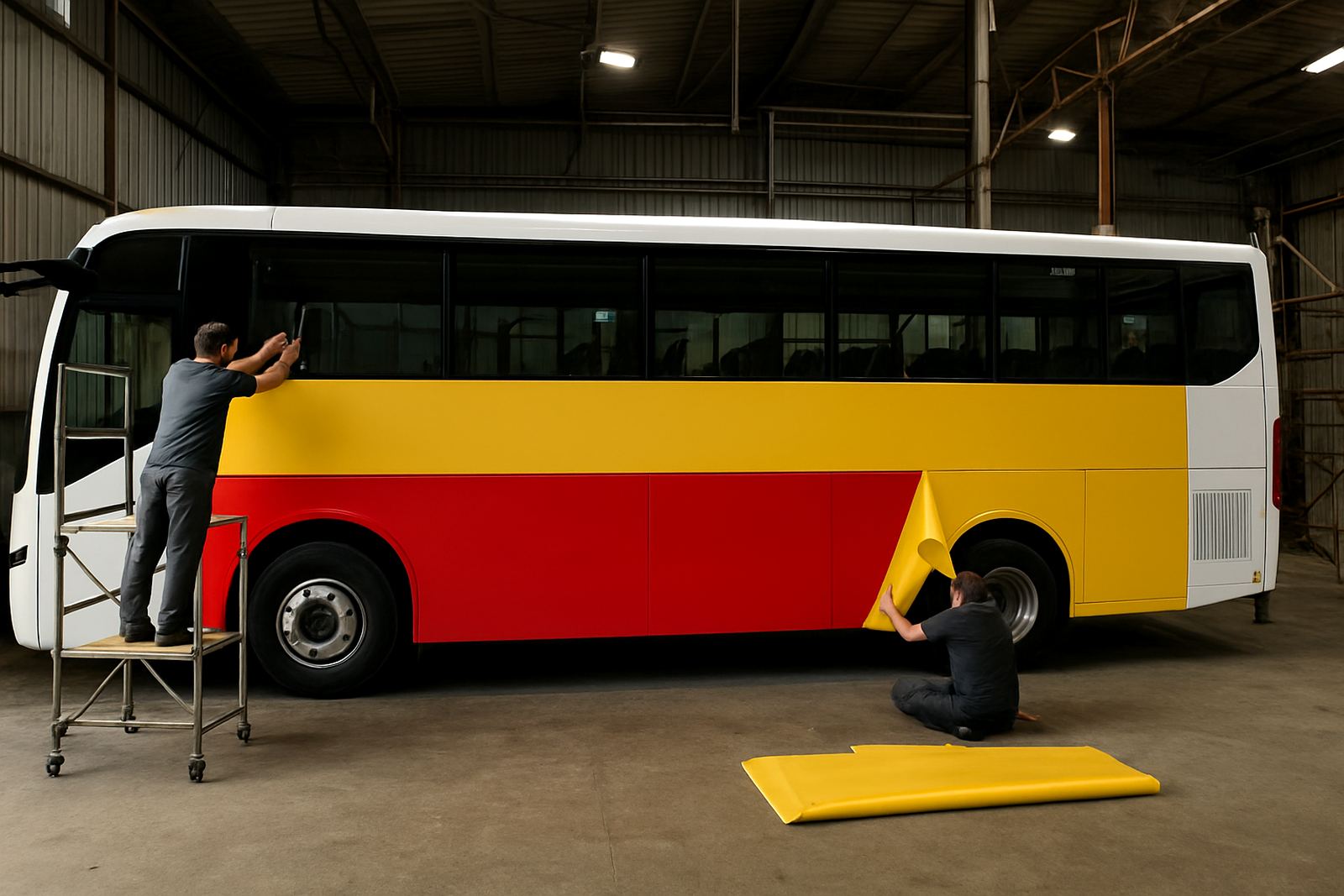
Installation starts with a proper wash, decontamination and panel check. Surfaces must be free of wax, polish residue, dust and road film before the film is laid. Where needed, trims are lifted and edges are prepared so the finish sits flat and lasts. A good install depends on clean prep and steady temperature control more than speed, and we allow enough time for alignment and edge finishing.
No gas is required for satin PPF installation. Power needs are basic, usually standard electricity for lighting, surface prep tools and climate control where the bay has it. For most jobs, a 220V supply is enough. On larger fleet projects or mobile site work, we plan the bay setup so the film is not rushed and the panels are not exposed to excessive dust. In load-shedding periods, timing matters more than people think so we confirm the bay conditions before starting. If the surface is hot from sun exposure, the fit can shift, so we like the vehicle cool before work begins.
- Requires clean bays and controlled conditions
- No gas supply needed
- Standard electricity is normally sufficient
- Cool panels give better fit and fewer lift points
Care, Cleaning And Servicing After Fitment
Satin PPF needs simple care rather than special products. Hand washing is best, using clean water, a soft mitt and a mild automotive shampoo. Pressure washing can be used carefully, but the nozzle should not be held too close to edges or lifted corners. For the first few days after fitment, avoid harsh washing and give the adhesive time to settle properly. A little patience here saves hassle later.
We also advise clients to keep an eye on parking scratches, stone strikes and edge lifting around busy contact points such as door handles and bumpers. If a panel is damaged, sections can often be replaced without disturbing the whole vehicle. For fleet users, scheduled inspections make sense every 3 to 6 months, especially on vehicles running long daily routes. A good aftercare plan keeps the satin look more even and helps the film last longer, especially in hot inland summers and on vehicles parked outdoors.
- Use mild shampoo and soft wash media
- Do not pressure wash edges too closely
- Avoid heavy rubbing in the first few days
- Schedule regular checks on high-wear panels
What To Check Before You Order Satin PPF Finish
Before ordering, confirm the vehicle make, model and year, plus whether you want full coverage or selected panels only. It also helps to note if the car has existing chips, repaired paint or resprayed panels, because that affects prep and fitment decisions. We check the finish shade you want, the areas to protect and whether any trims, sensors or body mouldings need special handling.
For fleet orders, send the vehicle list with quantities, locations and preferred fitment dates. If there are branding rules, colour matching needs or municipal site restrictions, those should be shared upfront. We can then plan production and installation around your schedule. This reduces downtime and keeps the finish consistent across the batch, which is important when several units are going out at once. It also helps to confirm whether you want wrap removal or future servicing support at the same time, so there are no delays later on.
- Vehicle details and panel list
- Coverage level: partial or full
- Existing paint condition
- Fleet quantities and fitment dates
- Any trim, sensor or branding concerns
Key facts
| Finish | Satin low-sheen protective film |
|---|---|
| Film thickness | Typically 180 to 200 microns |
| Coverage options | Partial front, full front, or full body |
| Suitability | Cars, SUVs, bakkies, vans and fleets |
| Power need | Standard 220V electricity, no gas required |
| Care interval | Inspect every 3 to 6 months on active vehicles |