
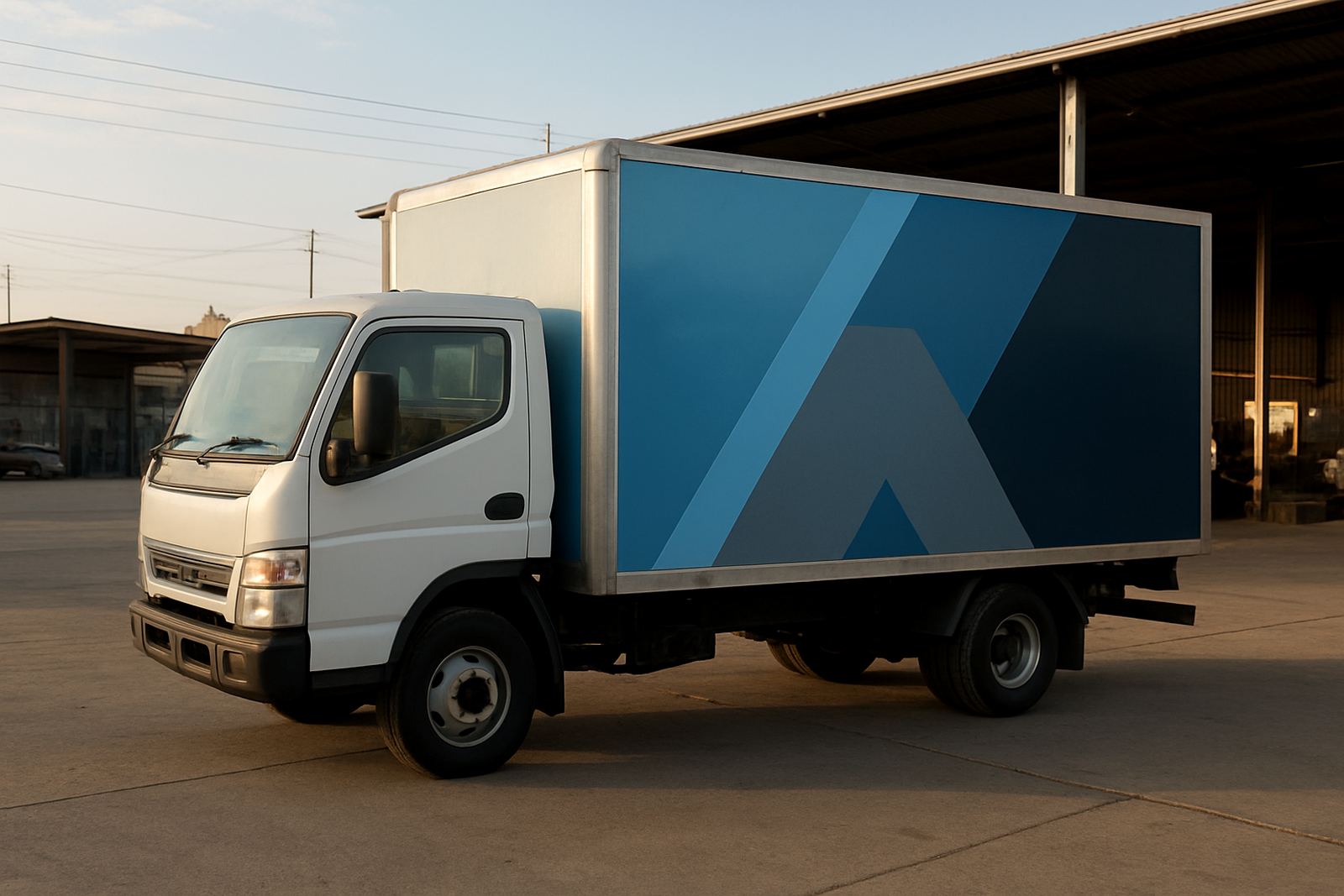
Route Visibility For A Working Truck
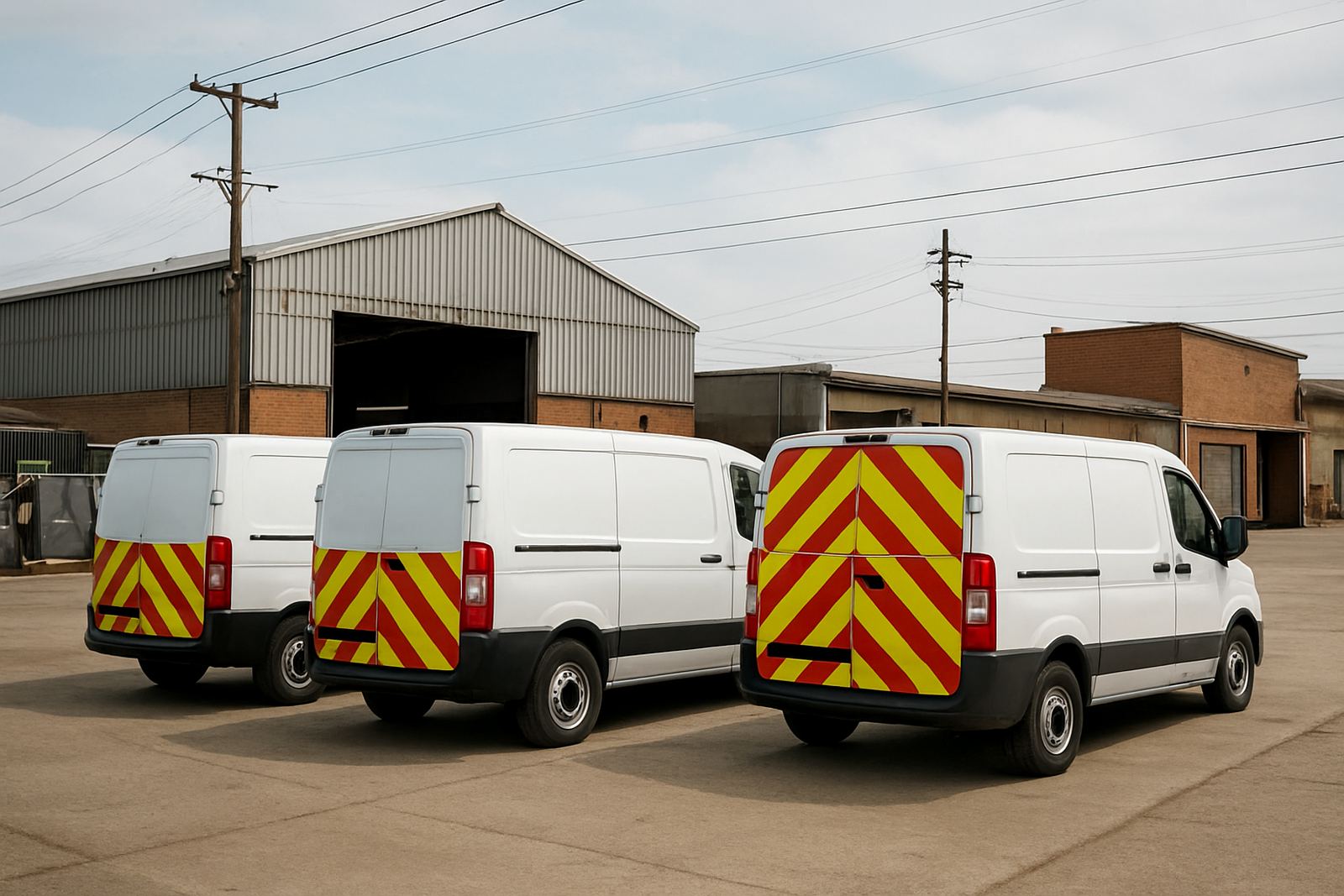
The brief came from a local distribution business in Alberton that wanted better brand visibility on a cab and box body used for daily collections and drop offs. The truck needed to be recognisable from a distance, with clear contact details and a clean finish that still looked presentable after long days in traffic, yard work and delivery stops. The owner was not after a flashy showpiece, just a proper working wrap that would earn its keep on the road.
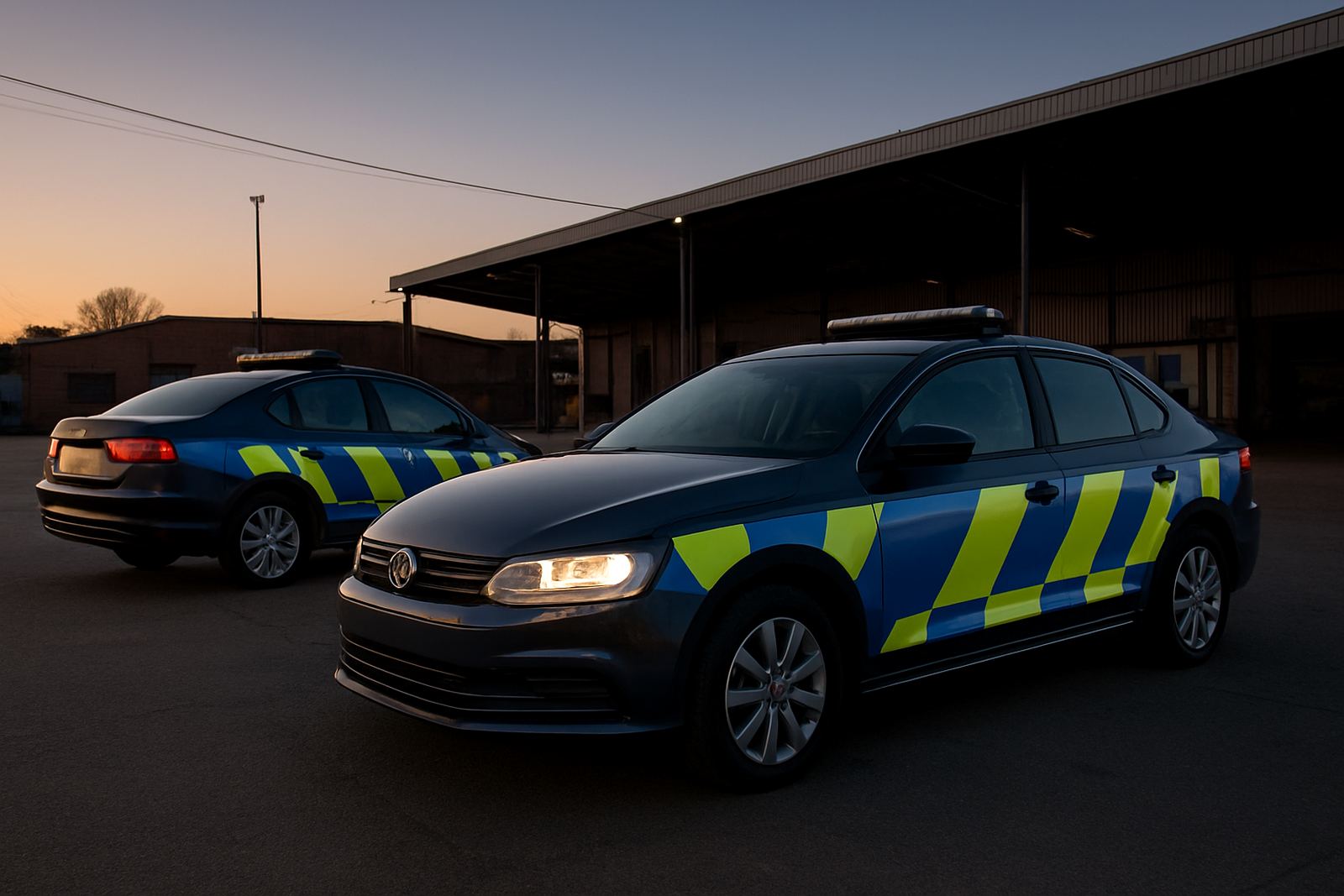
We planned the graphics around route reading rather than close up viewing. That meant using bold panels, strong contrast and simple messaging that could be read in motion. In Alberton and the wider Ekurhuleni area, vehicles spend a lot of time in mixed traffic, so signage has to work at 20 metres and at 2 metres. The client also wanted the truck to look consistent from the cab through to the box body, with no awkward breaks in the layout.
- Vehicle type: delivery truck with cab and box body
- Use case: daily urban and regional deliveries
- Goal: wider brand visibility on routes
- Finish target: clean, durable and easy to maintain
Planning The Artwork Around The Bodywork
Before any vinyl was cut, the truck was measured carefully so the artwork could be mapped to the cab curves, door lines and box body panels. The team checked panel joins, handle positions, hinges and access points so no important detail ended up hidden or stretched. For this type of job, the prep work matters as much as the print and installation because a delivery truck gets handled hard, especially around loading bays and tight turning areas.
Candice Petersen led the artwork and production side, while Johan van Wyk and the wrapping team checked the physical fit. The layout was built to keep the main message clear on both sides, with secondary information placed where it could be seen without crowding the design. We also allowed for normal wear points on the box body so the wrap would look better for longer. On a truck like this, a few millimetres off can show very quickly, so we kept the tolerances tight and the panels planned in a proper sequence.
- Artwork scaled to suit cab and box body proportions
- Panel breaks set around handles, seams and access areas
- Readable from roadside and depot yard distances
- Designed for regular washing and loading bay contact
Surface Prep And Installation In The Kya Sand Bay
The truck came into our Kya Sand base for surface preparation, vinyl installation and final checks. We cleaned down all wrap surfaces, removed dust and road film, and checked for any areas that would interfere with adhesion. Box bodies pick up a lot of grime from route work and a quick wash is never enough, so we spent time on the prep to get a proper bond. The cab areas needed careful work around edges, mirrors and door shuts, while the box body panels needed straight alignment across long runs.
Because this truck would be operating in Johannesburg heat as well as coastal humidity on longer routes, the adhesive choice and edge work had to be right. We wrapped the panels with proper overlap at stress points, then post heated the finished sections so the vinyl would sit cleanly. The team also checked the finish in different light conditions, since white box bodies and darker graphics can show every little fault if the application is rushed. There was a small scuff on one side panel that we corrected before final install, which saved a rework later on.
We also coordinated the job around the client’s operating schedule so the vehicle could return to service quickly. That meant a straightforward workflow and clear handover, with no unnecessary down time. On jobs like this, timing is as important as the finish.
What We Supplied And Fitted
This project included design and artwork, vinyl production, surface preparation and full installation on the cab and box body. The client also asked us to include practical protection where it made sense, so the finish would hold up to day to day use. The truck needed to look smart but it also had to keep working, and that shaped the materials and application choices.
We supplied the following:
- Printed and cut vinyl graphics for the cab and box body
- Surface cleaning and preparation before installation
- Precision fitting around doors, seams and access points
- Edge finishing and post heating for longer life
- Final inspection and aftercare guidance for the driver team
For commercial vehicles, we always keep maintenance in mind. If a truck is washed correctly and inspected regularly, the finish stays better for longer and the branding keeps paying off. The client also received practical care notes for washing pressure, drying and what to avoid around fresh vinyl in the first few days. That kind of support matters more than people think, especially when a vehicle is used every weekday.
Timeline, Handover And Route Performance
The full project ran over two weeks from initial brief to handover. Week one covered measurements, artwork setup and production approval. Week two covered installation, detailing and final quality checks. Because the truck was an active delivery vehicle, we kept communication direct and practical so the handover could be planned around route commitments rather than forcing the client to reshuffle an entire week.
After the truck went back into service, the feedback was that it stood out better at loading points and on open roads, especially from the rear quarter and side views. That matters in delivery work because other road users, depot staff and customers often see the truck before they read the smaller print. The result was a vehicle that looked more professional and was easier to recognise from a distance. In a town like Alberton, where trucks move between industrial areas and busy roads all day, that visibility is worth real value.
What We Would Do Again On The Next Fleet Truck
If we were repeating this type of job, we would keep the same approach: thorough measurement, simple route-friendly artwork and careful installation around high wear areas. Delivery trucks live a hard life, so the design needs to balance appearance with practical use. We would also recommend the same method for any box body operating in Gauteng, where sun, dust and stop start traffic can wear a weak wrap very quickly.
The main lesson from this project is that good fleet branding is not only about looking neat on day one. It should still read clearly after weekly washes, loading knocks and long hours in traffic. That is where a proper prep process and experienced fitting team make a difference. If the client brings us the next truck in the series, we would keep the same visual system so the fleet can grow without losing consistency. It makes day to day operations easier and helps drivers present a cleaner image at every stop.
- Repeat the same layout system across future fleet trucks
- Keep bold side panels for route recognition
- Use durable edge finishing around loading touch points
- Maintain a simple wash routine to extend the finish life
Key facts
| Project | Alberton delivery truck cab and box body branding |
|---|---|
| Client type | Local distribution business in Alberton |
| Scope | Design, print, prep, installation and aftercare |
| Timeline | 2 weeks from brief to handover |
| Base | Kya Sand, Johannesburg |
| Service area | Johannesburg, Sandton, Midrand, East Rand, Pretoria and Durban wrap bays |