
Why old vinyl leaves glue behind
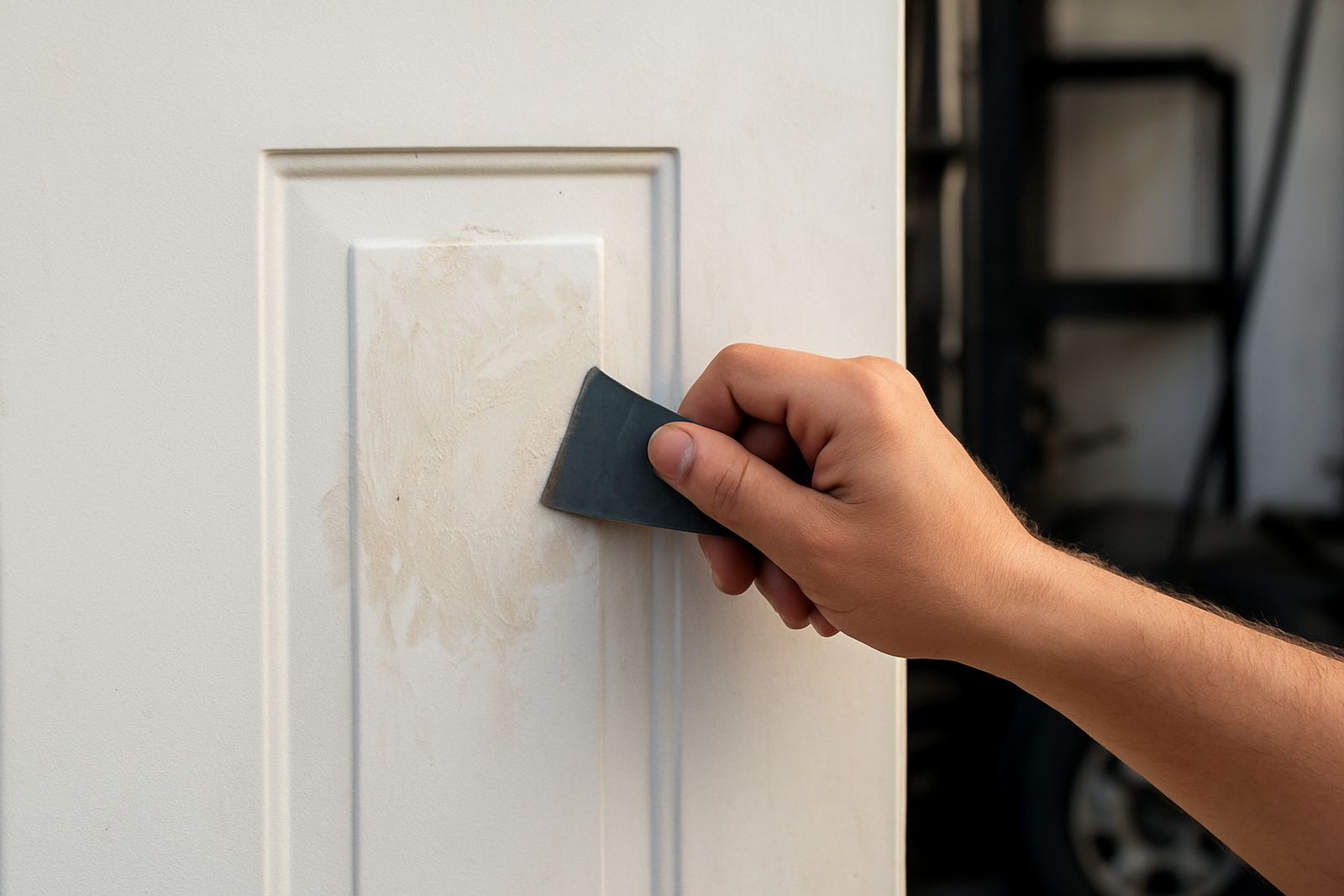
Most vehicle films are made to stay put while they are in use, but the adhesive does not age forever. After prolonged heat, strong UV and repeated washing, the bond can break down unevenly. When the vinyl finally comes off, some of the adhesive stays on the paint, on glass, or around trim edges.
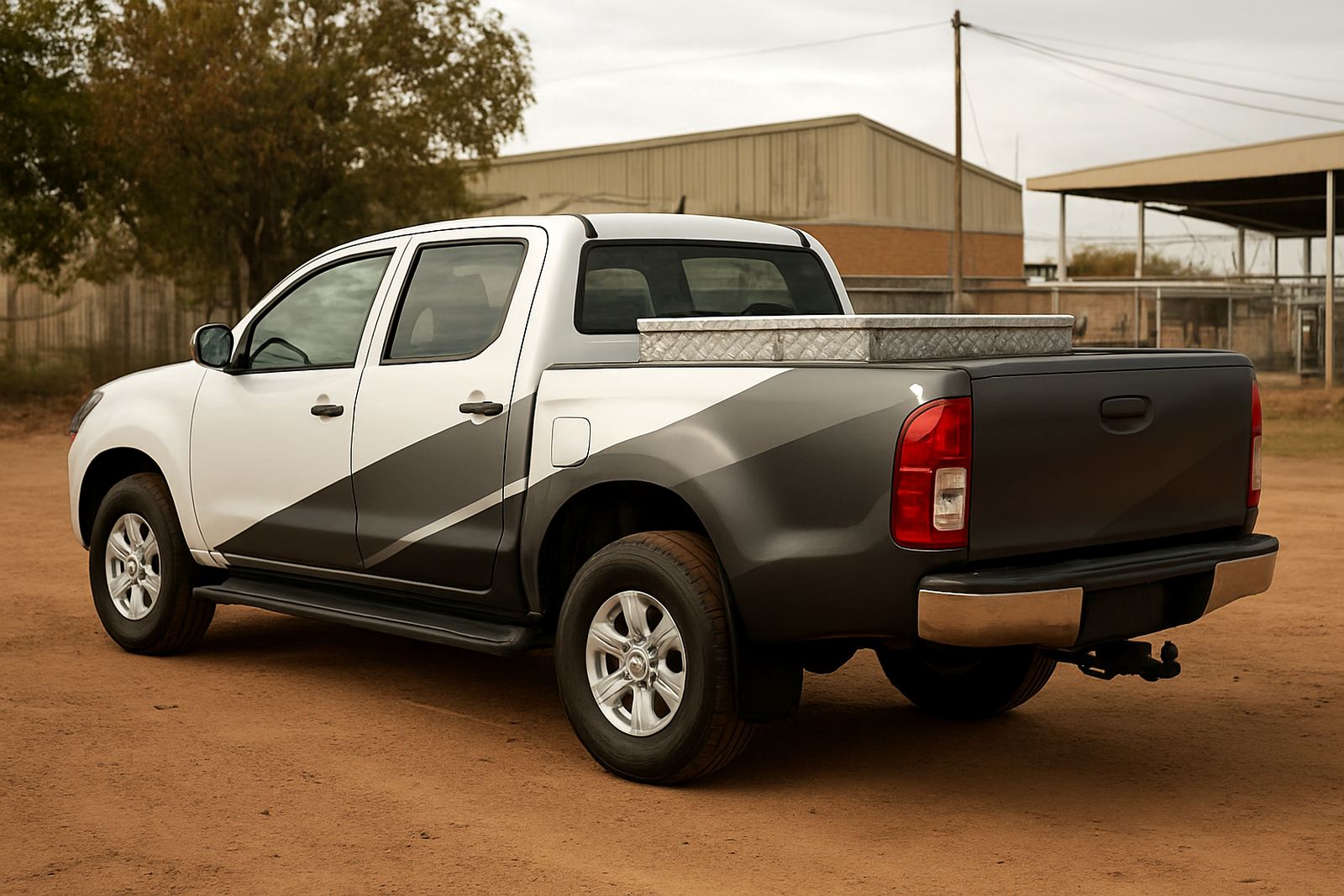
We see this often on company bakkies and panel vans that have carried branding for five years or more. If the vehicle was parked outdoors in places like Kya Sand, Midrand or the East Rand, the sun can bake the glue into a sticky film that catches dust and road grime.
Delayed removal is a big factor too. Once a wrap starts cracking or shrinking, the adhesive can become patchy. One panel may lift cleanly while the next leaves a stubborn layer that needs proper treatment, not just a quick wipe.
Signs the residue needs more than soap and water
Some marks look simple at first but need a controlled clean-up. If you scrub too hard, you can dull the clear coat or push residue into the paint grain. On older vehicles, that can turn a small problem into a bigger one.
- Sticky patches that grab dust straight away
- Brown or yellow staining around lifted edges
- Glue lines left after a partial decal removal
- Hazy marks on glass after tint or sticker removal
- Residue trapped near rub strips, badges or door handles
If the vehicle is used for deliveries or site visits, residue can also affect how the unit presents to customers. A clean-looking van is part of the brand, even if it is only parked outside a store for ten minutes.
What works and what can damage the panel
The safest approach depends on the surface, the age of the adhesive and whether the panel is painted, wrapped, tinted or fitted with plastic trims. Heat helps, but too much heat can warp a panel edge or soften nearby film. Solvents can work, but the wrong product may stain plastic or lift fresh paint.
We begin by checking the surface finish and the condition of the adhesive. Some jobs need controlled warming and careful lifting. Others need a residue-safe cleaner, soft cloths and a patient hand. On fleet vehicles, that extra time saves money because it reduces the chance of rework.
It is also worth checking if the vehicle had a repaint before the graphics were fitted. Repaired panels can react differently, especially if the paint has not fully cured or if the surface prep was uneven.
How local weather changes the removal process
South African conditions make a real difference. In Johannesburg, winter mornings can be cool, but the midday sun still heats body panels fast. In Durban, humidity can keep residue tacky and make dust stick to it. Near the coast, salt in the air can add another layer of grime.
That means a method that works on one vehicle may not work the same way on another. A courier van based in Sandton and a sales car operating daily in Pretoria will age differently, even if the graphics were installed in the same month. This is why residue removal is best handled with the vehicle’s age, use and storage conditions in mind.
For fleet managers, the safest habit is to plan removals before the film reaches the brittle stage. Once the wrap is well past its service life, the adhesive often bonds harder to the clear coat and takes longer to clear.
Practical steps to reduce residue before it starts
Good wrap care does not stop residue forever, but it can reduce the build-up and make later removal easier. Regular checks help spot lifting edges, damaged corners and areas where the sun hits hardest, like roof panels and bonnet leading edges.
- Wash regularly with mild shampoo, not harsh degreasers
- Avoid petrol station brushes on aged vinyl
- Park under cover where possible, especially in peak summer
- Book removal before the film becomes brittle
- Keep records of install dates and panel repairs
If a vehicle is being sold, rebranded or returned at the end of a contract, plan for residue removal as part of the handover. It is much easier to budget for a proper clean-up than to rush it the week before collection.
A Johannesburg example from a fleet changeover
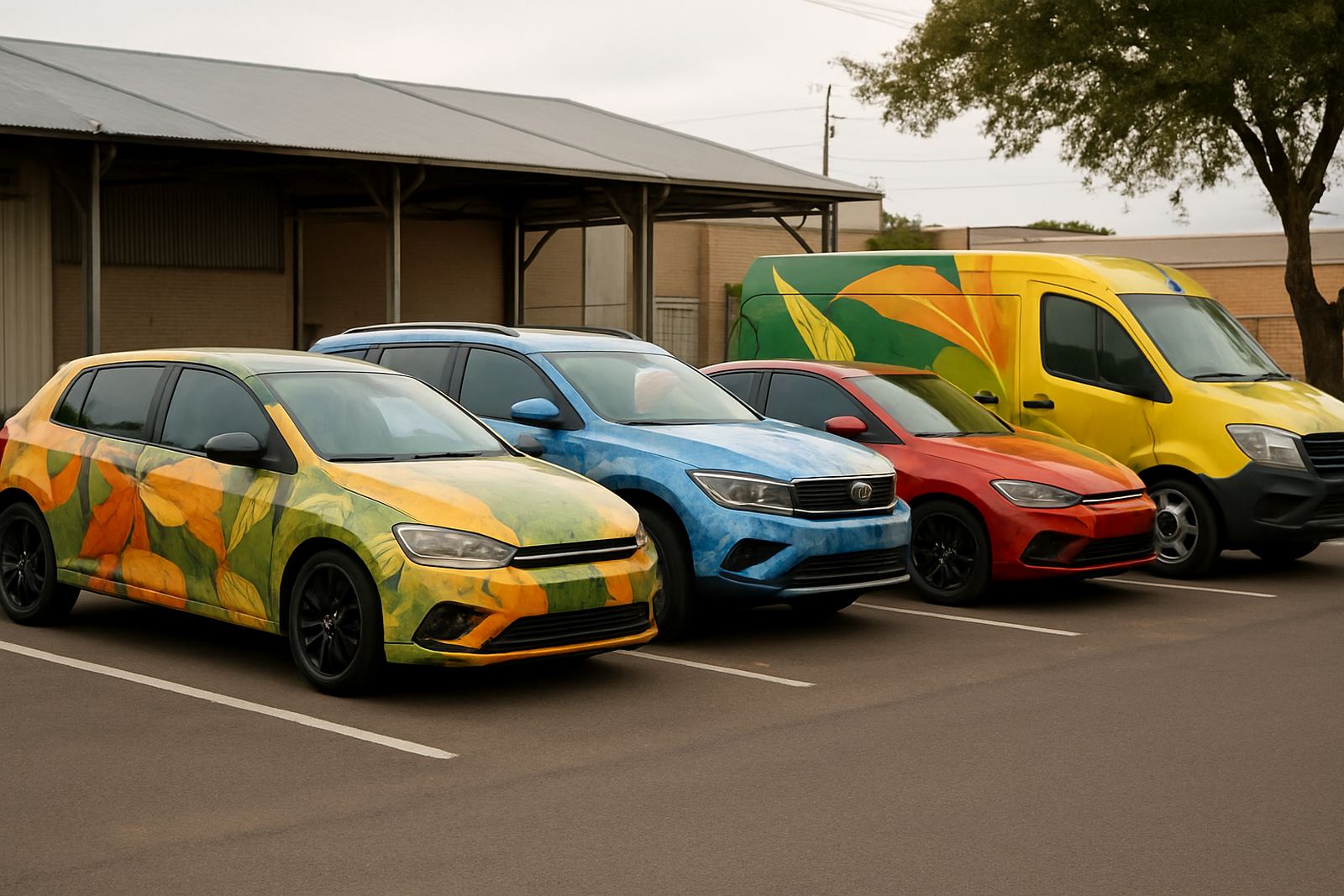
A local service fleet based near Kya Sand came in after a rebrand. The vehicles had been wrapped for several years and most were parked outdoors at depots across Johannesburg. The vinyl came off in sections, but the glue left a patchy film on the doors and quarter panels. Some units also had old decals near the rear windows that had been baking in the sun for months.
The fix was not the same on every vehicle. The lighter residue cleared quickly, while the older sections needed careful work around handles, badges and plastic trims. A few panels also had thin staining where the adhesive had been left too long. The result was a cleaner finish and far less risk of marking the paint during the next branding round.
For businesses with vehicles moving between Sandton, Midrand and Pretoria, that kind of variation is common. The conditions differ from one route to the next, so removal should be planned for the worst affected panel, not the easiest one.
When to call a specialist
If the residue is old, widespread or close to sensitive surfaces, it is usually better to bring in a specialist. That is especially true for tinted windows, interior trims, fleet vehicles and newer paintwork that must be kept presentable for resale or lease return.
Auto Wrap SA handles wrap removal, aftercare support, tinting, PPF and fleet work from Kya Sand, with wrap bays available nationwide. We work across Johannesburg, Sandton, Midrand, the East Rand, Pretoria and Durban, and we understand how local conditions affect the job. If you are dealing with stubborn adhesive residue, it is better to remove it properly first time than to chase marks later.
If you need advice on a single vehicle or a full fleet, use our contact form for practical guidance before the glue becomes a bigger problem.