

Why the first 30 days matter for a new car
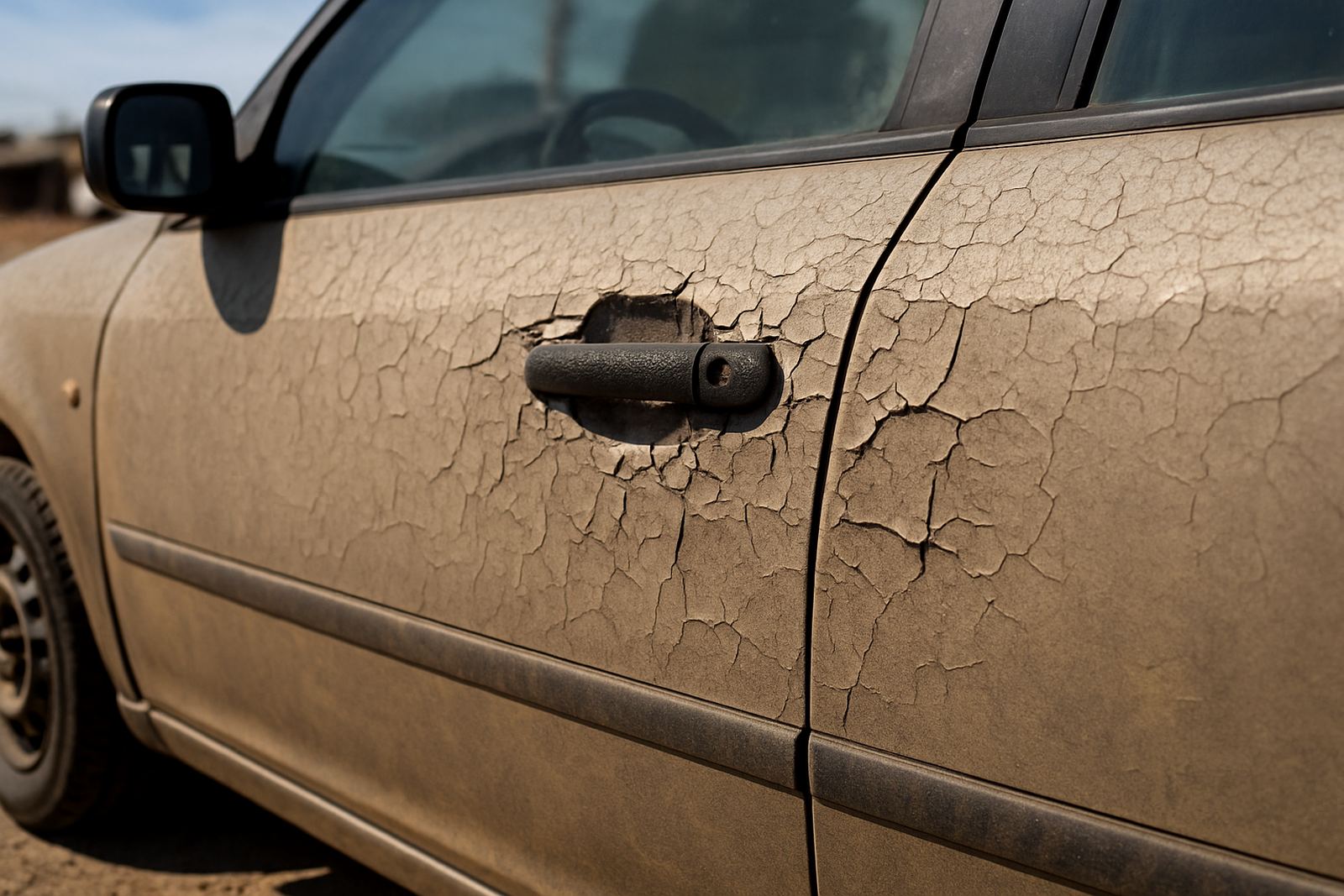
When a car leaves the dealer, the paint is at its cleanest and the trims are still fresh. That is the best time to add protection because there is no need to remove old polish, fix stone chips or work around scratches from previous use. If you wait a few months, the job often becomes less about prevention and more about repair.
In Johannesburg and the surrounding areas, new vehicles face gravel flick-up on main roads, tight parking bays at malls, construction dust, bird droppings and strong UV exposure. If the car is also used for school runs or site visits, the rear bumper and door edges take a beating early. A well planned protection package saves time later and helps the vehicle keep its resale value.
It also makes sense from a practical side. Once the protective film or tint is fitted early, you can wash the car as normal and use it with less worry about the little marks that usually appear in the first year. That peace of mind is worth a lot, especially if the vehicle is a family car or a business unit that must stay presentable.
Paint-protection film for the panels that take the hits
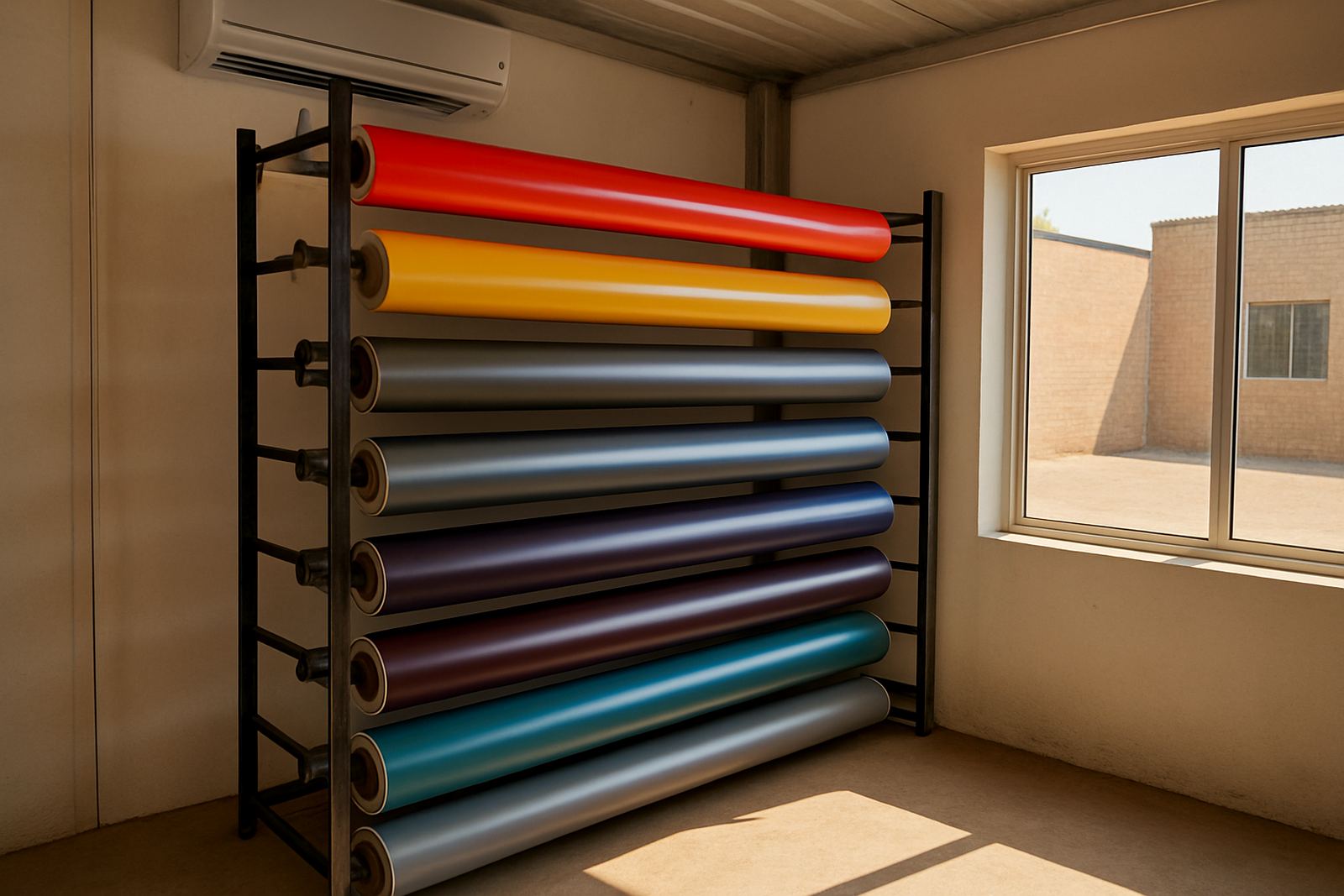
Paint-protection film, often called PPF, is the first choice for owners who want the bonnet, front bumper, mirrors and door cups to stay looking new. It is a clear film applied over the painted surface, helping to reduce damage from stone chips, light scuffs and grime. On busy Gauteng roads, the front end of a vehicle can start showing wear quicker than most owners expect.
Many drivers ask for partial coverage first, then add more later if the vehicle is doing long distances. That can be a sensible route, but if the car is brand new, full front coverage from the start gives the best result. The film is especially useful on darker colours, where tiny chips and swirl marks show up fast.
- Front bumper and bonnet for stone chip protection
- Side mirrors and door edges for daily parking knocks
- Load areas and sill plates for families and work vehicles
- High contact zones on SUVs and bakkies for rougher use
A proper installation depends on clean preparation, correct cutting and patience around edges and curves. That is where experience matters. If the film is rushed, dust lines or lifted corners can become a problem later.
Tinting soon after delivery helps with heat and privacy
Window tinting is another early fitment that makes sense for new cars. South African summer heat can make a black cabin uncomfortable within minutes, and strong sun also fades trim and upholstery over time. A good tint helps reduce glare, keeps the cabin cooler and adds a layer of privacy for passengers and valuables.
For many owners, the benefit is immediate. Children travel more comfortably, the air-conditioner does not need to work as hard, and the dashboard and seats are better shielded from direct sunlight. In places like Sandton, Midrand and the East Rand, where vehicles often sit in open parking for hours, that extra protection is practical rather than cosmetic.
It is important to check that the shade selected suits your needs and remains within local regulations. Not every window needs the same treatment. Windshield and front side windows in particular need careful consideration so the driver still has clear visibility at night and during rain.
For coastal drivers visiting Durban or working in humid conditions, tinting also helps keep the cabin more comfortable on sticky summer days. Combined with PPF, it gives the car a better first year and makes everyday use easier.
What to protect first if the vehicle is for business use
When a new vehicle is added to a fleet, the goal is usually to keep it presentable for as long as possible while controlling costs. That is why many companies choose to protect the areas that show wear fastest. A smart fitment plan can be done in stages, especially when the vehicle is already branded and needs to stay on the road.
For fleet vehicles, the early priority list often looks like this:
- Paint-protection film on the front end and loading edges
- Tint on the rear windows for comfort and security
- Interior wraps or surface protection on high-touch trim
- Wheel refurbishment where new alloys need to stay clean and tidy
Fleet managers also need to think about turnaround times. A vehicle that is off the road too long can affect deliveries, client calls or site visits. That is why many owners arrange protection work soon after handover, before the first branding campaign or route assignment begins. It keeps the process simple and the vehicle ready for service.
How proper prep and aftercare extend the finish
Protection film and tint only perform well if the surface is properly prepared. Paint needs to be clean, dry and free from polishing residue. Edges must be checked and panels must be measured carefully so the film sits correctly. The same applies to tint, where clean glass and careful fitment help avoid bubbling and lifting later on.
Once the work is done, aftercare matters. The first wash should be gentle, and strong chemicals or harsh brushes should be avoided. It is also wise not to pressure-wash the edges too close at an angle. That small bit of care helps the material settle and keeps the finish neat.
Owners who store cars under trees or near the coast should be even more consistent with cleaning. Salt air, sap and fine dust can shorten the life of any finish if ignored. With the right routine, the vehicle stays tidier and the protection lasts longer.
A practical example from Johannesburg to Durban
A common case is a new SUV delivered in Kya Sand for a family in Johannesburg, then used for regular trips to the North Coast and Durban. The owner wants the car to stay smart for work during the week, but also handle long-distance driving and beach parking on weekends. In that case, a front-end PPF package, full tint on the rear cabin and careful aftercare is a good place to start.
Another example is a small business owner collecting a bakkie for client visits across Pretoria, Midrand and the East Rand. The vehicle will spend time in open yards, at building sites and in shopping centre bays, so the first concern is damage prevention. Protecting the bonnet, bumper, mirrors and load area early means the bakkie can work harder without looking tired so quickly.
For owners who want their new car to stay looking cleaner for longer, the rule is simple: fit protection before the wear starts. It is easier, neater and usually cheaper than fixing avoidable damage later.
Protection work for private vehicles and fleets is handled by the Kya Sand team, with wrap bays available nationwide for projects that need coordinated fitment. The aim is straightforward: protect the car early, keep it presentable, and make everyday use less stressful.